Understanding Boiler Error Codes: Quick Checks and Clear Fixes for Homeowners
Boiler error codes are short alphanumeric messages shown by your central heating unit to flag specific faults. Spotting them early helps keep your home safe, maintains comfort and can prevent expensive repairs. This guide walks you through reading typical codes, checking pressure and condensate issues, safely attempting a reset or repressurise, and recognising when to call a Gas Safe registered engineer.
We also compare common codes from Vaillant, Worcester Bosch, Baxi and Ideal, and explain how regular servicing reduces repeat faults. You’ll find practical search-friendly phrases—diagnose boiler, boiler fault codes, repressurise boiler, reset boiler—to help you locate targeted troubleshooting steps and make informed decisions about repairs and maintenance.
What Are the Most Common Boiler Error Codes and What Do They Mean?
Boiler error codes come from the boiler’s control PCB and point to likely subsystems: ignition and flame detection, pressure and circulation, condensate drainage, or control electronics. Ignition faults usually appear as F or E codes, pressure issues show numeric readings or pressure warnings, and condensate problems often reference drainage or blockage. Knowing the code narrows the fault to components like the pressure gauge, condensate pipe or ignition assembly and speeds up diagnosis and any necessary repairs.
The short table below is a quick reference for common codes, likely causes and safe next steps you can try before calling a professional.
Use this quick reference to decide whether a simple check will help or if you need an engineer.
| Error Code | Likely Cause | Immediate Action |
|---|---|---|
| F.28 / F.29 | Ignition failure / flame loss | Check gas supply and try one reset; if it returns, stop and call an engineer |
| Low pressure / 0.5 bar | Loss of system pressure | Repressurise via the filling loop per the manual; watch for leaks |
| Condensate / blockage | Frozen or blocked condensate pipe | Thaw or clear external pipe safely; reset only if advised |
This table gives a first-pass diagnosis so you can choose a DIY check or book a professional visit.
Which Boiler Faults Do Error Codes Indicate?
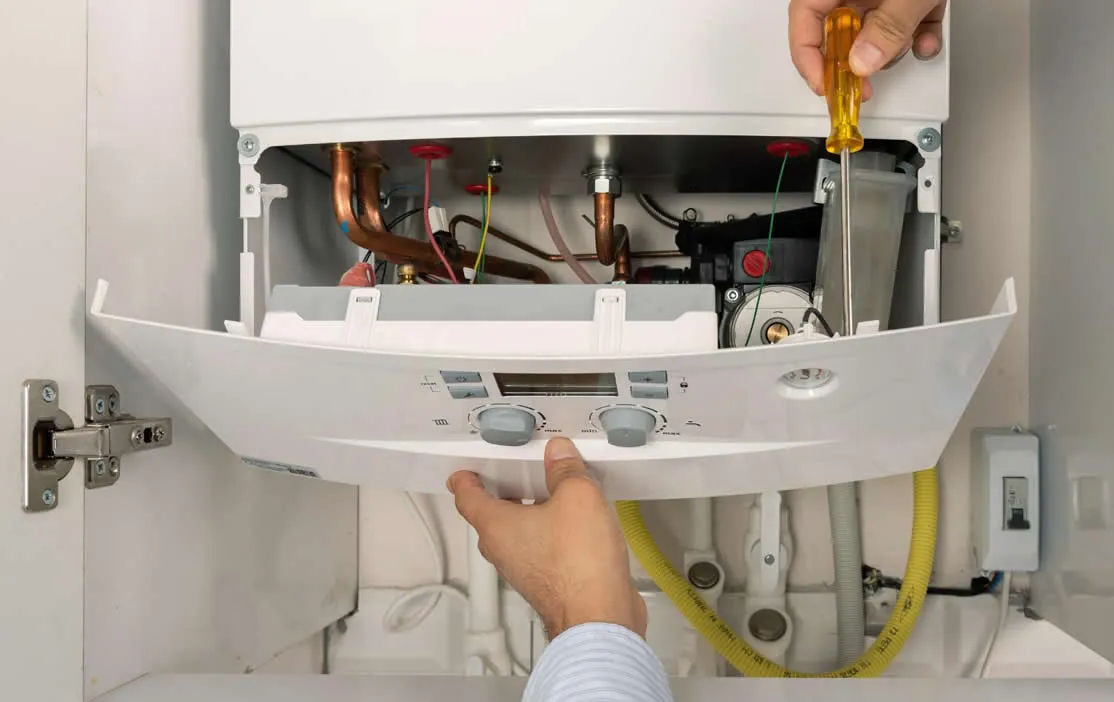
Error codes usually fall into a few groups: ignition and flame detection faults, pressure and circulation problems, condensate and drainage issues, and control or PCB faults. Ignition problems often show as repeated lockouts or F-codes, sometimes with clicking or failed start attempts.
Pressure faults appear as low or high readings and commonly cause poor heating or cold radiators. Matching the code to symptoms—noise, leaks or lack of hot water—helps you prioritise safe checks before calling for repairs.
These symptom-to-code links point you toward practical troubleshooting steps like checking the pressure gauge, inspecting visible pipes, and attempting a single safe reset.
How Can You Identify Low Boiler Pressure and Ignition Failure Codes?
Low boiler pressure is indicated on the gauge when the reading is below the normal cold range, typically 1.0–1.5 bar; repeated drops suggest a leak or a failing expansion vessel. Ignition failure codes usually use manufacturer prefixes (e.g. F or E) and come with audible start attempts that end in lockout.
To identify the issue, note the exact code, check whether the pressure is below 1.0 bar, and monitor whether the boiler repeatedly attempts to ignite. Record this information before following reset or repressurisation steps or passing details to a Gas Safe registered engineer.
Observing the gauge and code display carefully helps you follow the safe DIY actions below and avoid unnecessary service calls.
How Can You Troubleshoot Boiler Error Codes Safely at Home?
Safe troubleshooting focuses on non-gas, non-electrical actions you can do without special tools: a single reset, checking and repressurising system pressure, and inspecting visible condensate pipes for blockages. Always follow your boiler manual for model-specific reset instructions and never open gas or sealed panels. If you smell gas or suspect electrical faults, stop immediately and call a professional.
The numbered steps below provide a brief, safe workflow to identify and, in some cases, resolve common, non-critical error codes before arranging repairs. Follow them in order and stop if anything feels unsafe or unclear.
Treat these steps as a safe first response before booking a Gas Safe visit.
- Read the display and note the exact error code plus any symptoms (noise, leaks, cold radiators).
- Confirm that mains power and the external gas supply are on, and that isolation switches are correctly set.
- Try one manufacturer-approved reset according to the handbook; do not repeatedly reset.
- Inspect visible pipework for leaks, check the pressure gauge, and look for frozen or blocked condensate pipes.
These checks usually reveal whether a reset or repressurisation will restore normal operation or if a professional engineer is needed.
What Are Simple DIY Steps to Reset or Repressurise Your Boiler?
Resetting or repressurising can fix lockouts or restore pressure, but only do them if your manual allows. To repressurise: find the filling loop, make sure valves are closed, open the loop slowly until pressure reaches about 1.0–1.5 bar, then close the valves and check for leaks; always re-check the display after firing the boiler.
For resets, press the reset button once and let the boiler attempt a normal start; repeated resets can mask a real fault and cause more lockouts. If you’re unsure where the filling loop is or how to reset safely, stop and book a professional inspection to avoid damage.
These safe DIY actions can resolve simple pressure issues or transient electronic faults, but monitor the system afterwards to ensure the problem does not come back.
When Should You Stop DIY and Call a Gas Safe Engineer?
Know when DIY stops and professional help begins: call a Gas Safe registered engineer if you smell gas, have persistent ignition failure after a controlled reset, see visible water leaks, or the boiler shows electrical or PCB fault codes. Continuing to tinker with gas odours, uncontrolled leaks or repeated lockouts risks safety and may cause further damage.
For urgent or unresolved faults, arrange an emergency call-out with a certified engineer who can safely isolate the gas, diagnose control-board issues and replace faulty components. Neater Heat provides Gas Safe-registered engineers and emergency response services when problems go beyond safe DIY checks.
Following this decision checklist keeps you and your home safe and ensures serious faults get timely professional attention.
Which Brand-Specific Boiler Error Codes Should You Know?
Manufacturers use different code formats and meanings, so learning a few brand-specific codes helps you judge severity and likely fixes. Vaillant codes like F.28 normally point to ignition or gas supply issues and may clear after checking the gas and a reset; Worcester Bosch codes such as EA/E9 often indicate flame loss or lockout and usually need an engineer if resets fail.
Brand differences affect whether a fault is a straightforward user fix or requires specialist diagnosis. The table below compares selected brands, common codes and whether a DIY action is usually safe or professional help is recommended.
This brand comparison helps you decide which faults you can attempt and which need trained intervention.
| Brand/Model | Error Code | DIY Action vs Professional |
|---|---|---|
| Vaillant | F.28 / F.29 | Check gas and try one reset; call an engineer if it persists |
| Worcester Bosch | EA / E9 | A basic reset may clear it; persistent codes need professional diagnosis |
| Baxi | E133 | Often indicates ignition/control sensor faults; engineer recommended |
What Are Common Vaillant and Worcester Bosch Error Codes?
Vaillant codes such as F.28 and F.29 commonly mean ignition failure or flame signal loss and usually follow a check of the gas supply and a single reset. Worcester Bosch codes labelled EA or E9 typically point to flame or communication errors between the PCB and sensors; they might clear with a safe reset but often need professional attention if persistent.
Always note the exact code, try one controlled reset as the manual advises, and record whether the boiler attempts to ignite or simply shows the same fault—this speeds up an engineer’s diagnosis.
Clear notes on symptoms and codes make the move from DIY checks to professional repair quicker and more efficient.
How Do Baxi and Ideal Boiler Error Codes Differ?
Baxi codes like E133 often relate to control or ignition sensor faults and are less likely to be fixed by a simple reset, so repeated lockouts should trigger an engineer visit. Ideal codes such as F1 can indicate loss of flame or minor electrical glitches and sometimes clear with a reset, but if they recur this usually points to failing components.
Formats and severity vary by model—always consult your manual for model-specific meanings and safe reset instructions. If a code repeats after a controlled reset, call a qualified engineer to prevent ongoing breakdowns and protect system safety.
Knowing these brand patterns helps homeowners prioritise safe actions and avoid needless parts changes.
How Does Regular Boiler Servicing Prevent Error Codes and Breakdowns?

Annual servicing tackles the main causes of many error codes by inspecting pressure systems, ignition components, condensate routes and control electronics—reducing sudden failures and improving efficiency. A full service checks the burner, heat exchanger, pressure settings, condensate traps, seals and valves, catching wear before it becomes a fault or an emergency. Regular servicing also supports warranty terms and cuts the chance of repeat call-outs for the same problem, saving you money over time. The table below summarises key service checks and the direct benefits they bring in preventing error codes.
This mapping explains why preventive care reduces faults and emergency repairs.
| Service Element | What it checks | Benefit |
|---|---|---|
| Pressure system | Expansion vessel, pressure gauge, filling loop | Prevents low-pressure lockouts and hidden leaks |
| Ignition & burner | Electrode condition, gas valve operation | Reduces ignition faults and keeps efficiency high |
| Condensate pipe/flue | Blockages, drainage, flue integrity | Prevents condensate shutdowns and safety faults |
What Are the Benefits of Annual Boiler Maintenance?
Annual maintenance brings clear benefits: better reliability, safer operation, improved fuel efficiency and fewer emergency call-outs, which reduces long-term ownership costs. Servicing helps keep warranties valid, spots early wear on parts like the heat exchanger or pump, and keeps condensate and flue paths clear. Regular checks also give homeowners peace of mind by lowering the chance of losing heating or hot water unexpectedly. Aim to service before winter so your system is ready for peak demand and to avoid busy emergency periods.
That’s why routine servicing is a cost-effective way to cut fault frequency and extend appliance life.
How Can Neater Heat’s Service Plans Help Homeowners and Landlords?
Neater Heat offers tailored service plans with scheduled maintenance and emergency response designed for homeowners and landlords who need dependable heating support. Plans prioritise Gas Safe registered engineers and include emergency call-outs for faults beyond DIY scope. Regular inspections cover pressure, ignition, condensate and control systems to reduce repeat fault codes. To arrange a service or emergency repair, contact Neater Heat for professional diagnosis and repair by certified engineers.
Service plans make maintenance straightforward and give property owners a fast, certified route to help when DIY checks aren’t enough.
Conclusion
Understanding boiler error codes helps you diagnose problems quickly, keep your home safe and avoid unnecessary repair costs. Learn the common codes, follow safe troubleshooting steps and call a Gas Safe engineer when a fault goes beyond DIY. Regular servicing further improves reliability and efficiency, reducing the chance of future faults. For tailored support and expert care, consider Neater Heat’s service plans to keep your heating working when you need it most.