Having no hot water is a pain to say the least. Having access to hot water 24/7 is often taken for granted, and it is only when we no longer have access to it that we realise how fundamental it is to living comfortably at home.
If you are experiencing a lack of hot water at home, we at Vaillant are here to help. The guide below outlines the most common reasons for a lack of hot water, as well as the next steps to take.
What causes hot water to stop working?
There are many reasons why you could be experiencing hot water problems, many of which stem from a boiler fault.
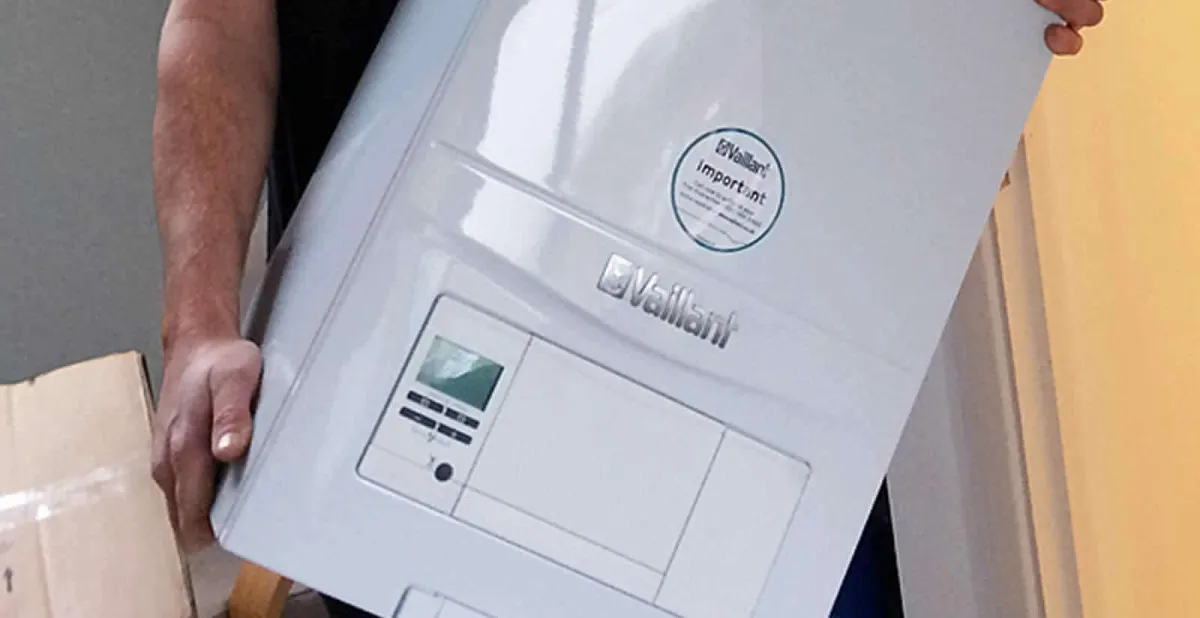
The first thing to check is whether your boiler system is working correctly. If your boiler is faulty, the display on the boiler will show a boiler error code. Each code corresponds with a different boiler fault, so it is important to check the code against your boiler manual.
The majority of boiler faults should be handled by a Gas Safe Registered (GSR) engineer.
Is it a problem with your gas, electricity or water supply?
The most obvious reason for a lack of hot water is if your power or water supply is disconnected from your boiler. Whether you have a gas or electric boiler, it is essential that the right fuel is being supplied to the system at all times, as well as water arriving from the mains or from a separate storage tank.
It is common for the connection to these sources to be switched off accidentally, or during a power outage. If you are sure that the connection to your boiler system is fine, check the supply to your other household appliances – it may be that your home is dealing with a temporary supply interruption. If the hot water issues continue, seek out help from a GSR engineer.
Power issues are common reasons behind a lack of hot water. Check your boiler display – if it is not on, it is likely that a power cut has turned your boiler settings off. You can fix this issue yourself by checking your main fuse box and turning the boiler switch on.
Is there a problem with your water pressure?
Boiler pressure is essential to a functioning boiler. The system pressure must be sufficient in order for the appliance to operate correctly. This then allows the system to heat water arriving from the mains; if the pressure drops too low or rises too high, the system will turn off automatically, stopping any hot water being sent around the home.
Check your boiler’s pressure gauge to see whether the pressure is at the recommended level. Modern boilers will also sometimes flash an error code to indicate if there is a pressure-related issue. Find out more in our guide on boiler pressure issues and how to resolve them.
Is there a problem with your pilot light?
A common reason for a gas boiler to stop heating water is if the pilot light goes out. Traditionally found on older appliances, a pilot light is a small flame used to ignite the gas burner in gas boiler systems. Some boilers allow you to see the pilot light without taking off the casing, while others indicate whether the pilot light is on on the electronic display.
If your pilot light is out, follow the instructions in your boiler manual to turn the system back on safely. If you follow the instructions and the flame still does not light, call a GSR engineer to look at the problem in more detail. It may be that an internal part needs replacing.
Most modern appliances do not feature a pilot light; instead, they use an electronic ignition system to light the gas when required. Pilot lights are traditionally found on older appliances, typically more than 20 years old.
Is there a problem with your pipes?
Faulty or leaking pipes are one of the most commonly found sources of hot water-related issues. Pipes are essential for carrying hot water throughout the home, so any issues with your network of pipes result in issues with heating your home or washing with hot water. While it can be difficult to diagnose a pipe issue, there are some common places you can diagnose this.
For instance, the condensate pipe that transports the waste water produced during a boiler’s condensing process can become frozen in cold weather as it carries the liquid outside. Upon freezing, your boiler system will automatically shut down as a safety precaution.
You will be able to see an error code on your boiler’s display panel if this is the case, and often the best solution is to pour hot water onto the external pipe to thaw it. If this does not work, call an engineer to carry out further checks for you.
Another common pipe issue is an airlock, whereby air becomes trapped in the pipes and leads to water blockages. Air can build up over time and collect in the pipes, blocking hot water from being delivered to radiators and taps. You should consult a GSR engineer to look into this issue further with you and drain the system.
Is there a problem with your diverter valve?
If you own a combi boiler and have troubleshooted the issues above with no results, it is likely that the source of the problem is the diverter valve. A diverter valve is a mechanism in a combi boiler that opens or closes to direct hot water either to radiators or taps and showers. When a radiator or hot tap is turned on, the diverter valve will prioritise hot water to the relevant place.
If you are experiencing lukewarm water from your hot taps but your radiators heat up fine, or vice versa, the diverter valve is the likely culprit. You should not attempt to fix the issue yourself, but rather enlist the help of a qualified engineer who can advise you on whether it needs to be cleaned or replaced.
Is there a problem with your boiler reset?
Sometimes a boiler needs a simple reset to begin working at full capacity again. Modern boilers are built to be very reliable, but most importantly, they are built to be safe. When a boiler detects an issue it will often shut down automatically to ensure the problem does not escalate.
In these circumstances, you will need to restart your boiler to get it working again. However, first ensure that you have resolved the issue at fault, whether it is related to water pressure or to a frozen condensate pipe.
The process of resetting a boiler varies depending on the model. The reset controls can involve dials or buttons, or a mixture of both, so make sure to look at your boiler manual and follow the instructions. The reset sequence should then begin, which can take several minutes, after which point your boiler should start heating water again.
Is there a problem with your timer?
Boiler timers dictate when water begins to be heated and sent throughout the home. Most people set timers to turn the hot water on in the early morning and in the evening. If you had set your boiler timer for particular times in the day but you no longer have hot water at times you expected, it may be that your boiler timer has changed.
You may have accidentally changed the timer settings, or perhaps a power cut has reset the boiler timer. Alternatively, your boiler clock may not have updated when the hours went forward or backwards. Carry out a quick check of your boiler timer to see if this is the source of the issue.
The above does not apply to a combination boiler as these heat up hot water on demand.
Summary of No Hot Water Causes and Troubleshooting
The most common reason for a lack of hot water is a boiler fault. If your boiler is faulty, you should call a GSR engineer to look into it for you.
Other causes include low or high water pressure, an interruption of your power supply or a piping issue. It could be an issue with your timer. Check to see if your timer is still set to the times you expect.
Need some help with your heating?
Experiencing a lack of hot water can be incredibly frustrating, especially when you rely on it for daily comfort and routines. As we’ve explored throughout this guide, the root causes can range from simple issues like power interruptions and timer misconfigurations to more complex concerns such as frozen condensate pipes, diverter valve malfunctions, or pressure problems. While some issues can be resolved with basic checks and resets, many others call for the expertise of a qualified Gas Safe Registered (GSR) engineer to ensure safety and long-term reliability.
At Neater Heat, we know just how essential hot water is to your home, and how disruptive it can be when it’s suddenly unavailable. Don’t let boiler problems interrupt your comfort. Whether you suspect a minor glitch or a more serious fault, our skilled engineers are on standby to diagnose and fix the issue fast.
Call us now on 01252 338078 or drop us an email at warmup@neaterheat.co.uk for round-the-clock support and expert repairs.
pressure, water, pilot light, boiler, thermostat, heat, valve, leak, tap, no hot water, pipe, temperature, shower, tank, radiator, condensing boiler, heating element, power supply, condensation, troubleshooting, reset, central heating, pump, water supply, water tank, gas leak, heating system, plumbing, electrician, ball valve, thermocouple, fault, failure, heat pump, air source heat pump, gas, water bottle, electrical fault, cylinder, checklist, sink, front panel, water heater not working, electric water heater not working, water not getting hot, water heater stopped working, water tank not heating, boiler working but no heating, shower not getting hot, worcester boiler no heating, no water heater, vaillant boiler not heating water, boiler not heating water, combi boiler not heating water, water heating, timer, fuse, power outage, electricity, engineer, switch, heat exchanger, gas safe register, boiler installation, valves, plumber, airlock, circuit breaker, button, viessmann, flame, ignition system, boiling, reason, boiler on but no heat to radiators, boiler on but no heating, boiler not heating radiators but is heating water, boiler heating radiators but not water, boiler heating water but not radiators, boiler not heating water but heating radiators, boiler on but not heating radiators, boiler on but radiators not heating up
Frequently Asked Questions
Is no hot water an emergency plumber issue?
No hot water can indeed be considered an emergency plumber issue. If you're experiencing a lack of hot water, it may indicate a serious problem with your heating system that requires immediate attention from a qualified plumber.
Is no hot water a sign of a broken heater?
No hot water can indicate a broken heater, but it may also result from other issues like gas supply problems or water pressure drops. It's essential to investigate further or consult a professional to determine the exact cause.
Can a faulty thermostat cause no hot water from boiler?
A faulty thermostat can indeed cause no hot water from the boiler. If the thermostat is not accurately reading the temperature or is malfunctioning, it may prevent the boiler from heating the water effectively.
What is the most common reason for no hot water from boiler?
The most common reason for no hot water from a boiler is a malfunctioning thermostat or a faulty heating element. These issues can prevent the boiler from heating water effectively, leading to a lack of hot water supply.
Is my boiler faulty if its on but no hot water?
A boiler can still be faulty even if it is on and not producing hot water. This could be due to issues such as a malfunctioning thermostat, a broken pump, or air trapped in the system. It's advisable to consult a Gas Safe Registered engineer for diagnosis and repair.
Why is my boiler on but no hot water coming out?
The issue of your boiler being on but not producing hot water may stem from several factors, such as a faulty thermostat, a malfunctioning valve, or low water pressure. It's advisable to consult a Gas Safe Registered engineer to diagnose and resolve the problem safely.
Is low boiler pressure causing no hot water in my home?
Low boiler pressure can indeed cause a lack of hot water in your home. If the pressure is too low, the boiler may not function properly, preventing hot water from being produced.
Can I fix no hot water from boiler without a plumber?
Fixing no hot water from a boiler without a plumber is possible for minor issues. You can check the thermostat, reset the boiler, or ensure the power supply is intact. However, for complex problems, it's best to consult a qualified engineer.
What causes no hot water in house?
The causes of having no hot water in a house can include boiler malfunctions, issues with the gas or electricity supply, or problems with water pressure and pipes. It's essential to investigate these factors to identify the root cause.
Why wont my boiler heat water despite being on?
The issue of your boiler not heating water despite being on could stem from several factors, including a faulty thermostat, low water pressure, or a malfunctioning component. It's advisable to consult a Gas Safe Registered engineer for a thorough inspection and repair.
How do I troubleshoot no hot water issue?
Troubleshooting a no hot water issue involves checking the boiler status, ensuring gas or electricity supply is functioning, and verifying water pressure levels. If problems persist, consult a Gas Safe Registered engineer for professional assistance.
What should I check first for no hot water?
The first thing to check when there is no hot water is the boiler's power supply and settings. Ensure the boiler is switched on, the thermostat is set correctly, and there are no issues with the gas or electricity supply.
How can I tell if my boiler is broken?
The signs that indicate your boiler may be broken include unusual noises, leaks, a lack of hot water, or error codes on the display. If you notice any of these issues, consult a Gas Safe Registered engineer for a thorough assessment.
What are signs of a faulty thermostat?
The signs of a faulty thermostat include inconsistent temperature readings, the heating system not turning on or off as expected, and unusual noises coming from the thermostat. If you notice these issues, it may require professional inspection.
Is it safe to use hot water during repairs?
Using hot water during repairs is generally not safe. It's advisable to avoid using hot water until a qualified engineer has assessed and resolved any issues, as it may pose risks of further damage or safety hazards.
How often should I service my boiler?
Boiler servicing is essential for safety and efficiency. You should service your boiler at least once a year to ensure it operates safely and effectively, preventing potential issues and extending its lifespan.
What are common causes of low boiler pressure?
Common causes of low boiler pressure include leaks in the system, a malfunctioning pressure relief valve, or insufficient water supply. Additionally, issues with radiators or pipework can also contribute to decreased pressure levels.
Can air in the system cause hot water issues?
Air in the system can indeed cause hot water issues. When air becomes trapped in your heating system, it can disrupt the flow of water, leading to insufficient heating and a lack of hot water.
What steps can I take to troubleshoot my boiler?
The steps to troubleshoot your boiler include checking the power supply, ensuring the thermostat is set correctly, inspecting the pressure gauge, and looking for error codes. If issues persist, consult a Gas Safe Registered engineer for professional assistance.
How can I prevent future hot water problems?
Preventing future hot water problems involves regular maintenance of your heating system, including annual servicing by a Gas Safe Registered engineer, monitoring water pressure, and promptly addressing any leaks or unusual noises.
What should I do if my boiler keeps shutting off?
If your boiler keeps shutting off, first check the thermostat settings, ensure there are no issues with the gas or electricity supply, and verify water pressure levels. If problems persist, consult a Gas Safe Registered engineer for professional assistance.
Are there any quick fixes for no hot water?
Quick fixes for no hot water include checking the thermostat settings, ensuring the boiler is powered on, and inspecting for any visible leaks or blockages. However, for persistent issues, it's best to consult a Gas Safe Registered engineer.
How can I identify a leak in my system?
Identifying a leak in your system involves checking for visible signs of water damage, damp patches, or unusual water pooling. Additionally, monitor your water meter for unexplained usage increases, which may indicate a hidden leak.
What tools do I need to check my boiler?
To check your boiler, you will need a few essential tools: a pressure gauge to monitor water pressure, a multimeter for electrical testing, and a screwdriver set for any necessary adjustments.
How can I improve my boilers efficiency?
Improving your boiler's efficiency involves regular maintenance, such as annual servicing, ensuring proper insulation, and bleeding radiators. Additionally, consider upgrading to a more efficient model or installing a smart thermostat to optimise energy use.
What are the risks of ignoring hot water issues?
The risks of ignoring hot water issues include potential damage to your heating system, increased energy bills, and the possibility of hazardous situations, such as gas leaks or water damage, which can lead to costly repairs and safety concerns.
How long can I run my boiler without hot water?
Running your boiler without hot water is not advisable for extended periods. Ideally, you should address the issue promptly, as prolonged operation can lead to further damage or inefficiency.
What is the average cost to repair a boiler?
The average cost to repair a boiler typically ranges from £150 to £400, depending on the complexity of the issue and the parts required. It's advisable to consult a qualified engineer for an accurate estimate.
How can I find a qualified plumber quickly?
Finding a qualified plumber quickly involves searching online directories, checking reviews, and asking for recommendations from friends or family. Additionally, ensure they are registered with a relevant trade body to guarantee their qualifications.
What maintenance can I perform on my heating system?
Regular maintenance you can perform on your heating system includes checking and replacing filters, bleeding radiators, and ensuring vents are clear. Additionally, scheduling annual inspections with a qualified engineer is crucial for optimal performance and safety.
hot water working but not heating, hot water working heating not, No hot water, Common boiler problems, Boiler not heating water, Why is my boiler not working, No hot water but heating works, Hot water system problems, Gas boiler no hot water, Combi boiler hot water problems, Central heating but no hot water, Hot water cylinder problems, Electric boiler no hot water, Hot water not coming from taps, Boiler repair for no hot water, Emergency boiler repair near me, Boiler service for hot water issues, Faulty diverter valve boiler, Broken thermostat hot water, Low pressure boiler no hot water, No hot water after boiler reset, Hot water system repairs, Boiler maintenance to prevent hot water issues, Heating engineer for hot water problems, Gas Safe engineer boiler repair, Boiler not producing hot water UK, Neater Heat boiler repairs, Fast boiler repair for no hot water, Local boiler engineer near me, Boiler breakdown no hot water, Affordable boiler repair services, Hot water system troubleshooting, no hot water but heating working, hot water not working, no hot water from boiler, hot water but no heating, boiler not firing up
Common Boiler Error Codes and Their Meanings
Understanding boiler error codes is crucial for diagnosing issues with your heating system. Each error code corresponds to a specific fault, allowing homeowners to identify potential problems quickly. For instance, a code indicating low water pressure may suggest a leak in the system, while an overheating warning could point to a malfunctioning thermostat.
Consult your boiler manual for a detailed list of error codes and their meanings. This knowledge can empower you to take preliminary steps before calling a Gas Safe Registered engineer, saving time and ensuring you provide accurate information about the issue when seeking professional help.
When to Call a Gas Safe Registered Engineer
Knowing when to contact a Gas Safe Registered engineer is essential for maintaining safety and efficiency in your heating system. If you've attempted basic troubleshooting steps, such as checking the power supply or resetting the boiler, and the problem persists, it's time to call in a professional. Issues like gas leaks, persistent error codes, or unusual noises should never be ignored.
Additionally, if you are unsure about the cause of the problem or if it involves complex components like the diverter valve or heat exchanger, a qualified engineer can diagnose and resolve these issues safely. Regular inspections and servicing by a Gas Safe Registered engineer can also prevent future problems and extend the lifespan of your heating system.
Preventative Maintenance Tips for Your Heating System
Regular maintenance is key to ensuring your heating system operates efficiently and reliably. Simple tasks like bleeding radiators, checking the pressure gauge, and ensuring vents are clear can significantly improve performance. Homeowners should also schedule annual inspections with a qualified engineer to identify potential issues before they escalate.
In addition to routine checks, consider investing in smart thermostats or energy-efficient models to optimise energy use. Keeping a maintenance log can help track service history and remind you of upcoming inspections, ensuring your system remains in top condition and reducing the likelihood of unexpected failures.
Understanding Different Types of Heating Systems
Familiarising yourself with various heating systems can help you make informed decisions regarding maintenance and repairs. Common types include combi boilers, conventional boilers, and system boilers, each with unique features and operational requirements. Knowing the specifics of your system can aid in troubleshooting and understanding your hot water supply.
For example, combi boilers are compact and provide hot water on demand, while conventional boilers require a hot water cylinder for storage. Understanding these differences can help you identify the source of issues more accurately and communicate effectively with engineers when seeking assistance.
pressure, water, pilot light, boiler, thermostat, heat, valve, leak, tap, no hot water, pipe, temperature, shower, tank, radiator, condensing boiler, heating element, power supply, condensation, troubleshooting, reset, central heating, pump, water supply, water tank, gas leak, heating system, plumbing, electrician, ball valve, thermocouple, fault, failure, heat pump, air source heat pump, gas, water bottle, electrical fault, cylinder, checklist, sink, front panel, water heater not working, electric water heater not working, water not getting hot, water heater stopped working, water tank not heating, boiler working but no heating, shower not getting hot, worcester boiler no heating, no water heater, vaillant boiler not heating water, boiler not heating water, combi boiler not heating water, water heating, timer, fuse, power outage, electricity, engineer, switch, heat exchanger, gas safe register, boiler installation, valves, plumber, airlock, circuit breaker, button, viessmann, flame, ignition system, boiling, reason, boiler on but no heat to radiators, boiler on but no heating, boiler not heating radiators but is heating water, boiler heating radiators but not water, boiler heating water but not radiators, boiler not heating water but heating radiators, boiler on but not heating radiators, boiler on but radiators not heating up
Frequently Asked Questions
Is no hot water an emergency plumber issue?
No hot water can indeed be considered an emergency plumber issue. If you're experiencing a lack of hot water, it may indicate a serious problem with your heating system that requires immediate attention from a qualified plumber.
Is no hot water a sign of a broken heater?
No hot water can indicate a broken heater, but it may also result from other issues like gas supply problems or water pressure drops. It's essential to investigate further or consult a professional to determine the exact cause.
Can a faulty thermostat cause no hot water from boiler?
A faulty thermostat can indeed cause no hot water from the boiler. If the thermostat is not accurately reading the temperature or is malfunctioning, it may prevent the boiler from heating the water effectively.
What is the most common reason for no hot water from boiler?
The most common reason for no hot water from a boiler is a malfunctioning thermostat or a faulty heating element. These issues can prevent the boiler from heating water effectively, leading to a lack of hot water supply.
Is my boiler faulty if its on but no hot water?
A boiler can still be faulty even if it is on and not producing hot water. This could be due to issues such as a malfunctioning thermostat, a broken pump, or air trapped in the system. It's advisable to consult a Gas Safe Registered engineer for diagnosis and repair.
Why is my boiler on but no hot water coming out?
The issue of your boiler being on but not producing hot water may stem from several factors, such as a faulty thermostat, a malfunctioning valve, or low water pressure. It's advisable to consult a Gas Safe Registered engineer to diagnose and resolve the problem safely.
Is low boiler pressure causing no hot water in my home?
Low boiler pressure can indeed cause a lack of hot water in your home. If the pressure is too low, the boiler may not function properly, preventing hot water from being produced.
Can I fix no hot water from boiler without a plumber?
Fixing no hot water from a boiler without a plumber is possible for minor issues. You can check the thermostat, reset the boiler, or ensure the power supply is intact. However, for complex problems, it's best to consult a qualified engineer.
What causes no hot water in house?
The causes of having no hot water in a house can include boiler malfunctions, issues with the gas or electricity supply, or problems with water pressure and pipes. It's essential to investigate these factors to identify the root cause.
Why wont my boiler heat water despite being on?
The issue of your boiler not heating water despite being on could stem from several factors, including a faulty thermostat, low water pressure, or a malfunctioning component. It's advisable to consult a Gas Safe Registered engineer for a thorough inspection and repair.
How do I troubleshoot no hot water issue?
Troubleshooting a no hot water issue involves checking the boiler status, ensuring gas or electricity supply is functioning, and verifying water pressure levels. If problems persist, consult a Gas Safe Registered engineer for professional assistance.
What should I check first for no hot water?
The first thing to check when there is no hot water is the boiler's power supply and settings. Ensure the boiler is switched on, the thermostat is set correctly, and there are no issues with the gas or electricity supply.
How can I tell if my boiler is broken?
The signs that indicate your boiler may be broken include unusual noises, leaks, a lack of hot water, or error codes on the display. If you notice any of these issues, consult a Gas Safe Registered engineer for a thorough assessment.
What are signs of a faulty thermostat?
The signs of a faulty thermostat include inconsistent temperature readings, the heating system not turning on or off as expected, and unusual noises coming from the thermostat. If you notice these issues, it may require professional inspection.
Is it safe to use hot water during repairs?
Using hot water during repairs is generally not safe. It's advisable to avoid using hot water until a qualified engineer has assessed and resolved any issues, as it may pose risks of further damage or safety hazards.
How often should I service my boiler?
Boiler servicing is essential for safety and efficiency. You should service your boiler at least once a year to ensure it operates safely and effectively, preventing potential issues and extending its lifespan.
What are common causes of low boiler pressure?
Common causes of low boiler pressure include leaks in the system, a malfunctioning pressure relief valve, or insufficient water supply. Additionally, issues with radiators or pipework can also contribute to decreased pressure levels.
Can air in the system cause hot water issues?
Air in the system can indeed cause hot water issues. When air becomes trapped in your heating system, it can disrupt the flow of water, leading to insufficient heating and a lack of hot water.
What steps can I take to troubleshoot my boiler?
The steps to troubleshoot your boiler include checking the power supply, ensuring the thermostat is set correctly, inspecting the pressure gauge, and looking for error codes. If issues persist, consult a Gas Safe Registered engineer for professional assistance.
How can I prevent future hot water problems?
Preventing future hot water problems involves regular maintenance of your heating system, including annual servicing by a Gas Safe Registered engineer, monitoring water pressure, and promptly addressing any leaks or unusual noises.
What should I do if my boiler keeps shutting off?
If your boiler keeps shutting off, first check the thermostat settings, ensure there are no issues with the gas or electricity supply, and verify water pressure levels. If problems persist, consult a Gas Safe Registered engineer for professional assistance.
Are there any quick fixes for no hot water?
Quick fixes for no hot water include checking the thermostat settings, ensuring the boiler is powered on, and inspecting for any visible leaks or blockages. However, for persistent issues, it's best to consult a Gas Safe Registered engineer.
How can I identify a leak in my system?
Identifying a leak in your system involves checking for visible signs of water damage, damp patches, or unusual water pooling. Additionally, monitor your water meter for unexplained usage increases, which may indicate a hidden leak.
What tools do I need to check my boiler?
To check your boiler, you will need a few essential tools: a pressure gauge to monitor water pressure, a multimeter for electrical testing, and a screwdriver set for any necessary adjustments.
How can I improve my boilers efficiency?
Improving your boiler's efficiency involves regular maintenance, such as annual servicing, ensuring proper insulation, and bleeding radiators. Additionally, consider upgrading to a more efficient model or installing a smart thermostat to optimise energy use.
What are the risks of ignoring hot water issues?
The risks of ignoring hot water issues include potential damage to your heating system, increased energy bills, and the possibility of hazardous situations, such as gas leaks or water damage, which can lead to costly repairs and safety concerns.
How long can I run my boiler without hot water?
Running your boiler without hot water is not advisable for extended periods. Ideally, you should address the issue promptly, as prolonged operation can lead to further damage or inefficiency.
What is the average cost to repair a boiler?
The average cost to repair a boiler typically ranges from £150 to £400, depending on the complexity of the issue and the parts required. It's advisable to consult a qualified engineer for an accurate estimate.
How can I find a qualified plumber quickly?
Finding a qualified plumber quickly involves searching online directories, checking reviews, and asking for recommendations from friends or family. Additionally, ensure they are registered with a relevant trade body to guarantee their qualifications.
What maintenance can I perform on my heating system?
Regular maintenance you can perform on your heating system includes checking and replacing filters, bleeding radiators, and ensuring vents are clear. Additionally, scheduling annual inspections with a qualified engineer is crucial for optimal performance and safety.
hot water working but not heating, hot water working heating not, No hot water, Common boiler problems, Boiler not heating water, Why is my boiler not working, No hot water but heating works, Hot water system problems, Gas boiler no hot water, Combi boiler hot water problems, Central heating but no hot water, Hot water cylinder problems, Electric boiler no hot water, Hot water not coming from taps, Boiler repair for no hot water, Emergency boiler repair near me, Boiler service for hot water issues, Faulty diverter valve boiler, Broken thermostat hot water, Low pressure boiler no hot water, No hot water after boiler reset, Hot water system repairs, Boiler maintenance to prevent hot water issues, Heating engineer for hot water problems, Gas Safe engineer boiler repair, Boiler not producing hot water UK, Neater Heat boiler repairs, Fast boiler repair for no hot water, Local boiler engineer near me, Boiler breakdown no hot water, Affordable boiler repair services, Hot water system troubleshooting, no hot water but heating working, hot water not working, no hot water from boiler, hot water but no heating, boiler not firing up
Common Boiler Error Codes and Their Meanings
Understanding boiler error codes is crucial for diagnosing issues with your heating system. Each error code corresponds to a specific fault, allowing homeowners to identify potential problems quickly. For instance, a code indicating low water pressure may suggest a leak in the system, while an overheating warning could point to a malfunctioning thermostat.
Consult your boiler manual for a detailed list of error codes and their meanings. This knowledge can empower you to take preliminary steps before calling a Gas Safe Registered engineer, saving time and ensuring you provide accurate information about the issue when seeking professional help.
When to Call a Gas Safe Registered Engineer
Knowing when to contact a Gas Safe Registered engineer is essential for maintaining safety and efficiency in your heating system. If you've attempted basic troubleshooting steps, such as checking the power supply or resetting the boiler, and the problem persists, it's time to call in a professional. Issues like gas leaks, persistent error codes, or unusual noises should never be ignored.
Additionally, if you are unsure about the cause of the problem or if it involves complex components like the diverter valve or heat exchanger, a qualified engineer can diagnose and resolve these issues safely. Regular inspections and servicing by a Gas Safe Registered engineer can also prevent future problems and extend the lifespan of your heating system.
Preventative Maintenance Tips for Your Heating System
Regular maintenance is key to ensuring your heating system operates efficiently and reliably. Simple tasks like bleeding radiators, checking the pressure gauge, and ensuring vents are clear can significantly improve performance. Homeowners should also schedule annual inspections with a qualified engineer to identify potential issues before they escalate.
In addition to routine checks, consider investing in smart thermostats or energy-efficient models to optimise energy use. Keeping a maintenance log can help track service history and remind you of upcoming inspections, ensuring your system remains in top condition and reducing the likelihood of unexpected failures.
Understanding Different Types of Heating Systems
Familiarising yourself with various heating systems can help you make informed decisions regarding maintenance and repairs. Common types include combi boilers, conventional boilers, and system boilers, each with unique features and operational requirements. Knowing the specifics of your system can aid in troubleshooting and understanding your hot water supply.
For example, combi boilers are compact and provide hot water on demand, while conventional boilers require a hot water cylinder for storage. Understanding these differences can help you identify the source of issues more accurately and communicate effectively with engineers when seeking assistance.