Frequently Asked Questions
How can I reduce my energy bills with renewable heating solutions?
Reducing your energy bills with renewable heating solutions involves installing systems like heat pumps or solar panels, which harness natural energy sources, thereby lowering your reliance on conventional energy and significantly decreasing your overall energy costs.
What are the benefits of installing heat pumps?
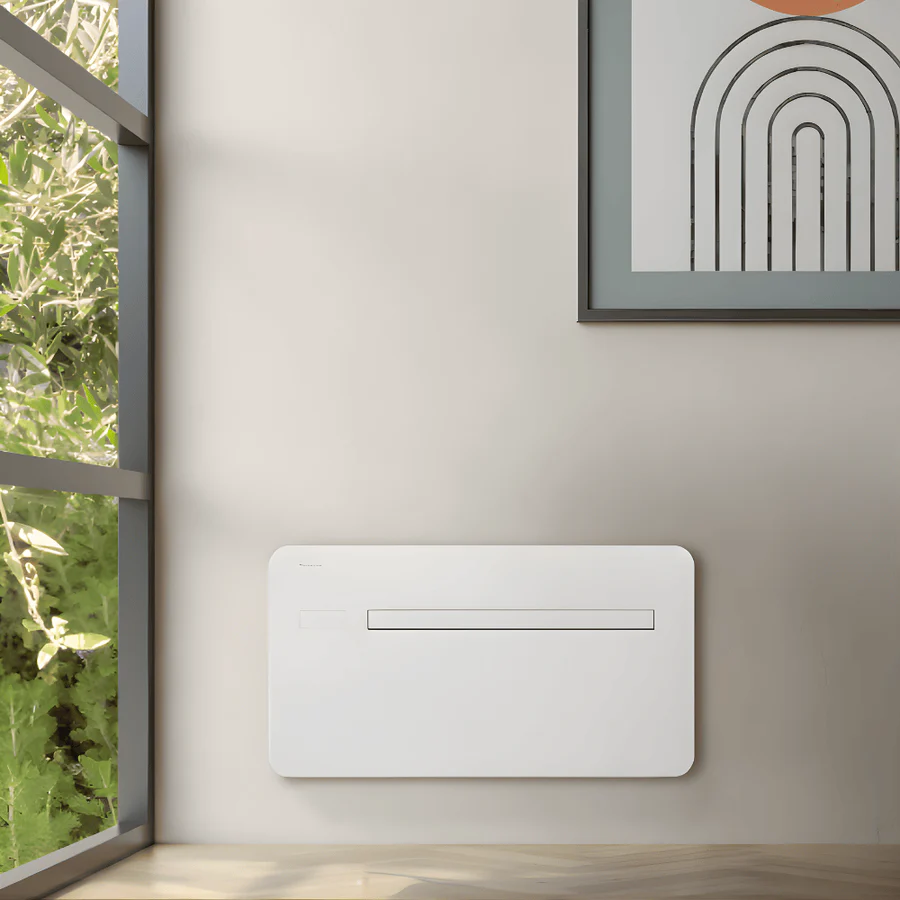
The benefits of installing heat pumps include reduced energy bills, lower carbon emissions, and efficient heating and cooling solutions for your home, making them a sustainable choice for environmentally conscious homeowners.
Where can I find renewable heating services in Hampshire?
Renewable heating services in Hampshire can be found through local providers like Neater Heat, which specialises in MCS-accredited installations of solar panels and heat pumps, ensuring quality service and support for homeowners.
What should I consider when choosing a renewable heating company?
When choosing a renewable heating company, consider their accreditation, experience, customer reviews, and transparency in pricing to ensure quality service and reliable installations.
How do solar panel installations work?
Solar panel installations work by converting sunlight into electricity through photovoltaic cells. These cells generate direct current (DC), which is then converted to alternating current (AC) for use in your home, reducing reliance on traditional energy sources.
What are the environmental benefits of switching to renewable energy?
The environmental benefits of switching to renewable energy include significant reductions in greenhouse gas emissions, decreased air pollution, and a lower carbon footprint, contributing to a healthier planet and combating climate change.
How do heat pumps reduce energy costs?
Heat pumps reduce energy costs by efficiently transferring heat rather than generating it, using less electricity to provide the same amount of heating or cooling. This efficiency translates to lower energy bills and significant savings over time.
What types of renewable heating solutions exist?
The types of renewable heating solutions include solar thermal systems, heat pumps (air source and ground source), and biomass boilers. These options provide efficient and sustainable heating alternatives, helping to reduce energy costs and carbon emissions.
How can I choose the right heat pump?
Choosing the right heat pump involves considering factors such as your home's size, insulation quality, and local climate. Consulting with a professional can help you select the most efficient model tailored to your specific energy needs.
What are the installation requirements for heat pumps?
The installation requirements for heat pumps include sufficient space for the unit, access to electricity, and appropriate insulation in the property. Additionally, a thorough site assessment is necessary to determine the best system type and placement.
How long do heat pumps typically last?
Heat pumps typically last around 15 to 20 years with proper maintenance. Regular servicing can help extend their lifespan, ensuring efficient performance and reliability over time.
What maintenance is needed for renewable heating systems?
The maintenance needed for renewable heating systems includes regular checks on components, cleaning filters, and ensuring efficient operation. Annual servicing by a qualified technician is recommended to optimise performance and prolong system lifespan.
Can renewable heating solutions work in older homes?
Renewable heating solutions can indeed work in older homes. With proper assessment and tailored installation, systems like heat pumps can efficiently heat these properties while enhancing energy efficiency and reducing carbon footprints.
What is the cost of installing heat pumps?
The cost of installing heat pumps varies based on factors such as the type of heat pump, the size of your property, and installation complexity. Typically, homeowners can expect to invest between £8,000 and £15,000 for a complete installation.
How do I find local renewable heating experts?
Finding local renewable heating experts involves researching accredited providers in your area, checking online directories, and reading customer reviews. Additionally, you can ask for recommendations from friends or local community groups focused on renewable energy solutions.
What incentives are available for renewable heating installations?
Incentives for renewable heating installations include government grants, such as the Boiler Upgrade Scheme, which offers financial support for heat pump installations, and various local initiatives aimed at promoting sustainable energy solutions.
How do solar panels complement heat pumps?
Solar panels complement heat pumps by providing renewable electricity to power the heat pump, significantly reducing energy costs and enhancing overall efficiency. This synergy allows homeowners to maximise energy savings while minimising their carbon footprint.
What are the common misconceptions about heat pumps?
Common misconceptions about heat pumps include the belief that they are ineffective in cold climates and that they require excessive maintenance. In reality, heat pumps can efficiently operate in low temperatures and are generally low-maintenance, making them a viable renewable energy solution.
How can renewable heating improve home comfort?
Renewable heating can significantly enhance home comfort by providing consistent and efficient warmth, reducing temperature fluctuations, and ensuring a more stable indoor climate. This leads to a cosier living environment while lowering energy bills and environmental impact.
What factors affect the efficiency of heat pumps?
The efficiency of heat pumps is influenced by factors such as the outdoor temperature, the type of heat pump system, installation quality, and maintenance practices. Proper sizing and insulation of the property also play crucial roles in optimising performance.
How do I assess my homes heating needs?
Assessing your home's heating needs involves evaluating factors such as the size of your property, insulation levels, and the number of occupants. Conducting a heat loss assessment can help determine the appropriate heating system for optimal comfort and efficiency.
What are the best renewable heating options for families?
The best renewable heating options for families include air source heat pumps and ground source heat pumps, as well as solar thermal systems. These solutions provide efficient heating while reducing energy bills and carbon footprints.
How can I maximise savings with renewable heating?
Maximising savings with renewable heating involves choosing the right system, such as solar panels or heat pumps, ensuring proper installation, and taking advantage of government incentives and energy tariffs designed to lower your energy costs.
What certifications should a renewable heating company have?
Renewable heating companies should possess certifications such as MCS (Microgeneration Certification Scheme) and RECC (Renewable Energy Consumer Code) to ensure quality installations and consumer protection. These accreditations demonstrate compliance with industry standards and commitment to best practices.
How do I compare different renewable heating providers?
To compare different renewable heating providers, evaluate their accreditations, customer reviews, installation costs, warranties, and the range of services offered. This will help you make an informed decision based on quality and value.
What are the long-term benefits of renewable heating?
The long-term benefits of renewable heating include significant reductions in energy bills, lower carbon emissions, and increased energy independence, contributing to a more sustainable and environmentally friendly home.
How can I ensure quality installation of heat pumps?
Ensuring quality installation of heat pumps involves choosing a qualified, MCS-accredited installer like Neater Heat, who follows best practices and provides transparent pricing, ensuring your system operates efficiently and effectively.
What are the environmental impacts of heat pumps?
The environmental impacts of heat pumps are positive, as they significantly reduce carbon emissions by using renewable energy sources for heating. This contributes to lower greenhouse gas emissions and supports efforts to combat climate change.
How do I prepare my home for renewable heating?
Preparing your home for renewable heating involves ensuring proper insulation, sealing drafts, and upgrading your heating system to accommodate technologies like heat pumps. This enhances efficiency and maximises the benefits of renewable energy solutions.
What are the latest trends in renewable heating technology?
The latest trends in renewable heating technology include the increased adoption of heat pumps, advancements in solar thermal systems, and the integration of smart home technologies for enhanced energy efficiency and control.