Why choose heat pumps for UK homes: key benefits and savings
A heat pump is a renewable heating system that moves warmth from the air or ground into your home to provide space heating and hot water. Compared with on‑site combustion systems, heat pumps usually cut running costs and carbon emissions — a growing priority for UK homeowners and businesses working towards net‑zero.
This guide outlines the key advantages of heat pumps, compares air‑source and ground‑source options, and explains how renewable heating is supported by government schemes such as the Boiler Upgrade Scheme.
You’ll learn how high coefficients of performance reduce running costs, what to expect from air‑source performance in a UK climate, when ground‑source systems make sense, and practical steps for accessing grants and accredited installers. We use clear examples and short comparisons to help you decide if a heat pump is the right upgrade for your property.
What are the main benefits of heat pumps for UK homes?
Heat pumps deliver four practical benefits for UK homes: lower energy bills, reduced on-site carbon emissions, steadier indoor comfort, and access to grants that reduce upfront costs. They work by extracting ambient heat and concentrating it with components such as a compressor and condenser, which makes them more efficient than direct‑combustion boilers.
Correct sizing and quality installation can also improve a home’s energy performance and EPC rating, turning technical advantages into everyday savings. The short comparison below summarises typical impacts so you can quickly weigh options before we dive into system specifics.
Heat pump benefits at a glance:
- Lower running costs: Heat pumps produce more usable heat per unit of electricity than electric resistance heaters or many traditional boilers.
- Reduced carbon emissions: Replacing a fossil‑fuel boiler substantially reduces direct on‑site emissions.
- Improved comfort: Continuous, low‑temperature heating helps keep indoor temperatures more even.
This snapshot explains why many homeowners see heat pumps as a longer‑term upgrade; the following sections cover efficiency and environmental advantages in practical terms.
| Benefit | Metric | Typical impact |
|---|---|---|
| Energy saving | Annual running cost | Lower bills versus gas/electric (savings vary by property) |
| Carbon reduction | On‑site emissions | Marked decrease compared with fossil boilers |
| Comfort | Heat delivery | More even heating and better hot‑water performance |
The table highlights core benefit areas and their practical value; final results depend on correct sizing, insulation and installer quality.
How do heat pumps reduce energy bills and increase efficiency?
Heat pumps reduce energy bills by moving heat rather than generating it, delivering several times as much heat as the electricity they use—measured by the coefficient of performance (COP). Key components such as the compressor and evaporator extract and transfer heat, so a well‑sized unit in an insulated home can produce notable annual savings.
Realised savings depend on factors like the building fabric, system design and user habits, all of which affect seasonal performance and payback. For that reason, careful design and professional installation are essential to get the efficiency and cost benefits you expect.
Those efficiency gains also underpin the environmental case for heat pumps and explain their growing role in decarbonisation plans.
What environmental advantages do heat pumps offer?
Heat pumps eliminate the need for on-site fossil‑fuel combustion, directly reducing household emissions and supporting corporate and personal sustainability goals. Replacing a gas or oil boiler typically yields a significant percentage reduction in annual emissions because heat is taken from ambient sources rather than burned. The lifecycle benefits increase further as the UK grid decarbonises, improving the net emissions advantage over time.
These environmental benefits align with national policy aims and help homeowners meet evolving regulations and low‑carbon commitments.
Lower emissions and higher efficiency make heat pumps a strong choice for households seeking both savings and sustainability. Next, we look at air‑source options and their suitability.
What are the advantages of air source heat pumps for homeowners?

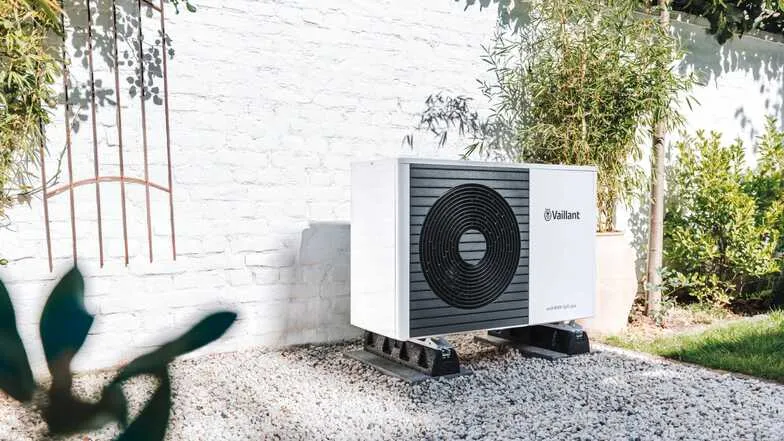
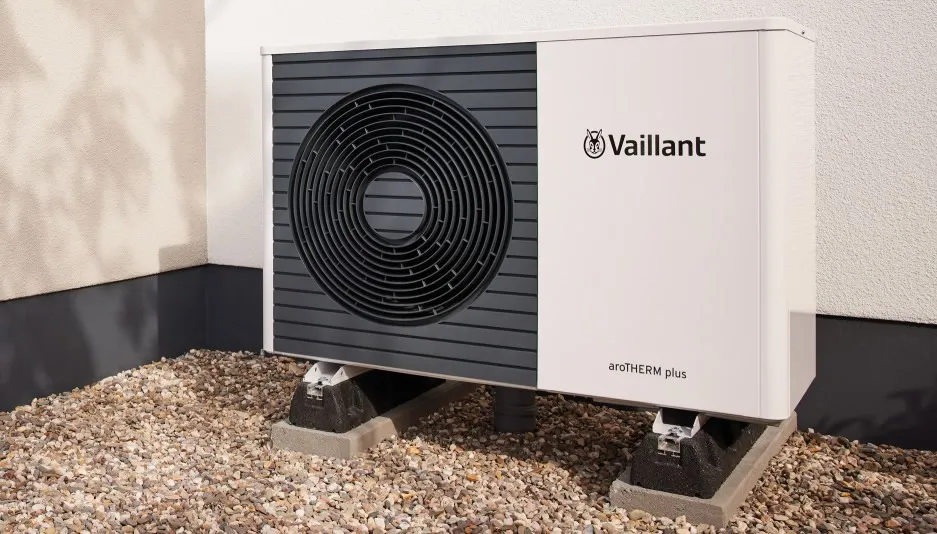
Air‑source heat pumps (ASHPs) extract heat from outside air and transfer it into your home. They suit many UK properties because they require less groundwork than buried loops, so installation is typically less disruptive. An ASHP consists of an external unit and a refrigerant circuit that runs a compressor and condenser; this compact setup makes ASHPs a practical retrofit option where space or excavation is limited. For many homeowners, ASHPs offer a good balance of performance, convenience and lower installation complexity compared with ground‑source systems.
Key advantages of ASHPs for homeowners:
- Easier installation: The external unit fits most properties without major excavation works.
- Good for retrofits: Can work with existing radiators or underfloor heating when sized correctly.
- Lower visual impact: Compact outdoor units are generally less intrusive than extensive ground loops.
Those benefits explain why ASHPs are often the first‑choice heat pump for UK homes, before considering ground‑source alternatives.
How do air source heat pumps perform in the UK climate?
ASHPs take heat from outdoor air and raise its temperature with a compressor to provide space heating and hot water. Performance varies with ambient temperature: COP falls in colder weather, but ASHPs remain effective through typical UK winters when paired with the right system design.
You can offset seasonal drops in efficiency by improving insulation, fitting larger radiators or low‑temperature emitters, or using a hybrid system for peak demand. Proper planning and accurate sizing are important to keep the system efficient across seasonal changes.
Understanding seasonal behaviour helps you choose layout and complementary measures that maximise savings.
What cost savings can air source heat pumps provide?
ASHPs can deliver meaningful savings when replacing high‑carbon heating such as oil- or electric-resistance systems, though payback depends on fuel prices and household usage. Actual savings vary by property, but homeowners typically see lower operating costs due to higher COP than with direct electric heating. Support schemes such as the Boiler Upgrade Scheme can reduce upfront costs and shorten payback for eligible installations, and using an accredited installer preserves performance and grants access.
Taking these variables into account gives a realistic picture of ROI and highlights the value of improving insulation and controls to accelerate savings.
With those cost points covered, we’ll turn to ground-source systems, which offer steadier efficiency for suitable properties.
What are the benefits of ground source heat pumps compared to other systems?
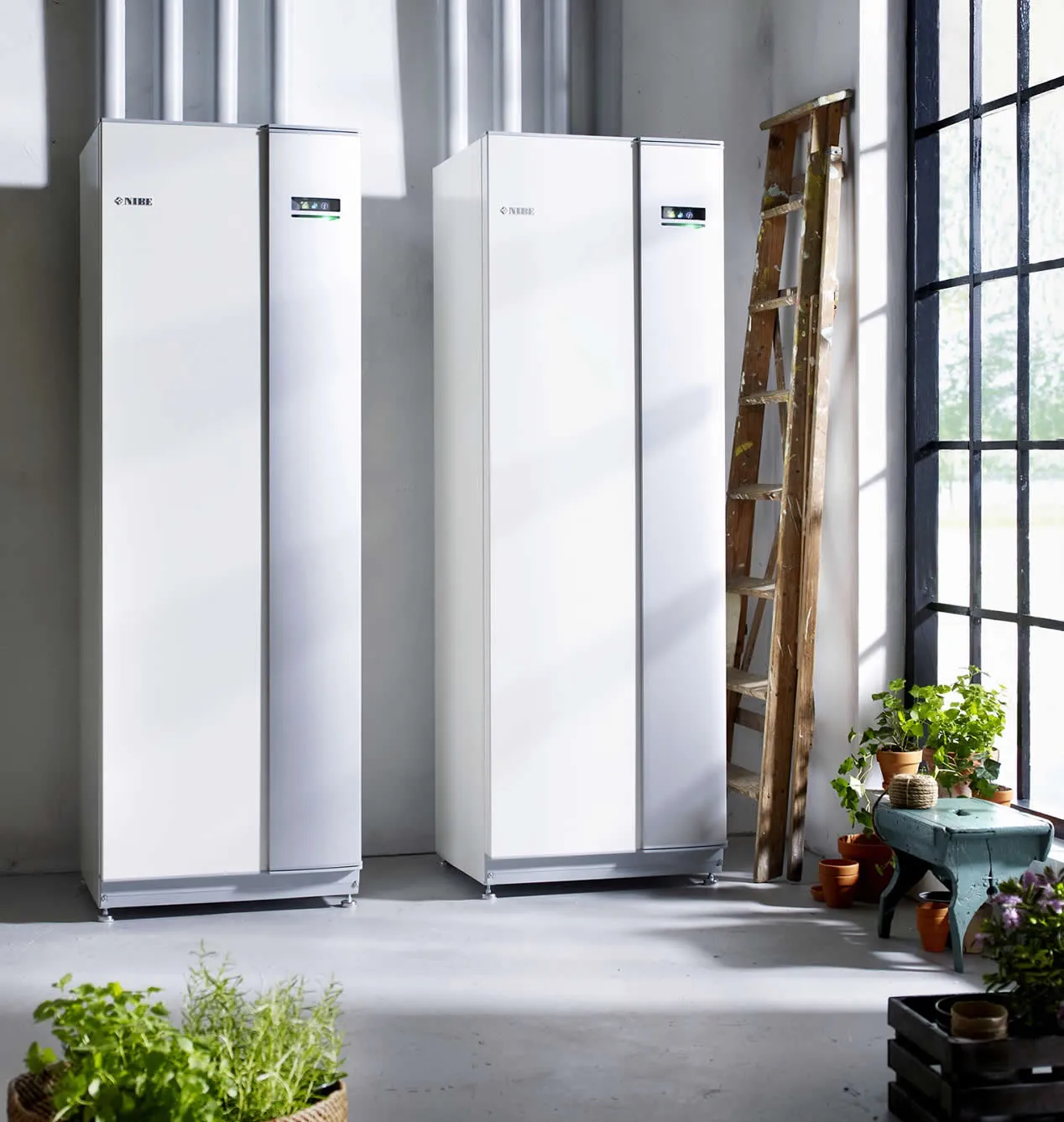
Ground‑source heat pumps (GSHPs) use buried loops to tap stable subsurface temperatures, giving consistently high efficiency and often a higher COP than air‑source units. Because the ground remains relatively warm in winter, GSHPs typically operate more efficiently throughout the season and can reduce operating costs over time.
The trade‑off is higher upfront civil works and the need for land for trenches or boreholes, which increases installation cost and planning. Choosing between GSHP and ASHP, therefore, comes down to long‑term savings versus initial budget and property suitability.
To compare quickly, the table below highlights core differences between ground‑source and air‑source systems for practical decision‑making.
| System type | Characteristic | Practical impact |
|---|---|---|
| Ground‑source heat pump | Stable ground temperature via buried loop | Higher, steadier COP and lower running costs over time |
| Air‑source heat pump | Extracts heat from outside air | Lower upfront civil works, performance varies with the weather |
| Traditional boiler | On‑site combustion | Higher direct emissions and potentially higher fuel costs |
This comparison makes it easier to see when GSHPs’ steadier performance outweighs their greater installation complexity and cost. heat pumps
How do ground source heat pumps improve home heating efficiency?
GSHPs boost efficiency by using the ground’s stable temperature, so the compressor works against a smaller temperature difference than it would with cold air. The buried loop acts as a thermal reservoir, improving COP through winter and reducing seasonal fuel use. For properties with enough land and budget, GSHPs can outperform ASHPs in long‑term running costs and reliability.
Understanding these efficiency mechanics helps you assess whether your plot and budget align with the benefits of a GSHP.
Are ground source heat pumps suitable for all UK properties?
Not every UK property is suitable for a ground‑source installation. GSHPs need space for trenches or boreholes and may require surveys and planning permission. Suitability checks include garden or land area, soil conditions and your budget for upfront works — rural and larger properties are often the best candidates. If land or cost is limited, air‑source or hybrid systems remain practical alternatives that still reduce emissions. A professional survey that assesses space, planning constraints and expected savings is the best next step if you’re considering GSHPs.
If you move ahead, choosing an accredited installer and checking grant eligibility are essential, which brings us to policy and incentives.
How do renewable heating solutions like heat pumps support UK energy goals?
Heat pumps are a key part of the UK’s move away from fossil‑fuel heating because they replace on‑site combustion and work well with a decarbonising electricity supply. As the grid gets cleaner, each installed heat pump delivers greater lifecycle emissions savings, making them a scalable way to meet national climate targets.
Government support, such as the Boiler Upgrade Scheme, can reduce the barrier posed by upfront costs and accelerate adoption. The next section explains the role heat pumps play in emissions reduction and the practical steps homeowners should follow to access grants and installer support.
Understanding the policy context and incentives helps turn environmental intent into a practical upgrade.
What role do heat pumps play in reducing carbon emissions?
Heat pumps cut carbon mainly by removing on‑site fossil‑fuel combustion and by using electricity to move heat; as the grid mix improves, net lifecycle emissions fall further. Market data shows growing adoption as households and businesses switch to renewable heating to meet regulatory and voluntary net‑zero targets.
Heat pumps, therefore, support both individual household decarbonisation and wider system‑level emissions reductions. For businesses, they also provide measurable operational reductions that feed into sustainability reporting.
With the emissions benefits clear, the next step is understanding how to access grants and meet installer requirements.
How can homeowners access government grants and incentives?
Homeowners can access support by following a straightforward process: check eligibility, select an accredited installer and submit the required paperwork for schemes such as the Boiler Upgrade Scheme, which offers funding of up to £5,000 for eligible heat pumps.
Typical steps include an initial eligibility check, obtaining quotes from MCS‑accredited installers, and working with your chosen installer to complete application forms and carry out the installation to scheme standards.
Accredited installers can guide you through the application and ensure your system meets the requirements; many local specialist companies are MCS‑accredited and provide installation and aftercare. Following these steps reduces upfront cost and ensures compliance with the incentive rules.
- Check eligibility for the Boiler Upgrade Scheme and required standards.
- Get multiple quotes from MCS‑accredited installers.
- Agree on the installation scope, complete the application paperwork and proceed with an accredited installation.
These steps summarise the practical route to grant‑supported installation and reinforce why choosing accredited professionals is critical to performance and funding.
Conclusion
Choosing a heat pump can cut your energy bills and lower your home’s carbon footprint. With air‑source and ground‑source options available, you can find a solution that suits your property and budget — and benefit from government incentives that make the upgrade more affordable.
Take the next step by exploring accredited installers and grant options to make an informed decision that improves your home’s efficiency. Our resources are here to guide you through the process of switching to a heat pump.