Do you remember the happy days when you had to schedule time to watch your favourite TV shows?
If you were lucky, you had a VHS tape recorder and could use the same blank video tape to record and re-record all your programmes, from EastEnders to Top of the Pops.
Luckily, those days are now long gone, and your TV is an intelligent work of technical art. Today’s consumer enjoys convenience above all else, which means you’re free to binge-watch pretty much anything at any time you choose, with a range of channels and sources way beyond what we ever had ‘back in the day’!
But on-demand TV means more than just convenience; we’ve managed to reduce electricity consumption from TVs, DVD players, and Blu-ray players by an impressive 18% over the past decade or more! Despite that, your TV still accounts for roughly 33% of your domestic electronics usage!
The average 40” television costs you approximately £28 a year in energy, so choosing an efficient TV is definitely worth considering. By comparison, a grade A+ rated TV of the same size will only cost you £8 per year. A saving of £138 over its entire lifetime, which, let’s face it, is better than some of the TV programmes that we end up watching.
Obviously, your TV is just one of the many things you spend electricity on. In almost every case of your energy usage, there are better ways to preserve and save. By simply applying mindfulness and logic, it’s absolutely possible to get the same or even better performance from your appliances for less.
So, What Are The Worst Culprits in Energy Guzzling in the Home?
Interestingly, the electricity used by TVs, games consoles, stereos, and even small domestic appliances like kettles and irons is nowhere near as greedy as that used by our white goods. These appliances have moved us on from 1950s wives spending an entire day doing laundry and storing meat in the larder to a lifestyle of flexible time to fit our needs in as we want.
But in This Instance, Convenience Comes at a Cost.
Fortunately, every appliance is legally required to show its energy efficiency from A+++ right down to G, with new, more detailed labels coming into effect from March 2021. The government has predicted that these labels will save the UK economy an impressive £850 million net. But the real value comes in the reduction of energy use.
Although the labels aren’t an exact science when it comes to specific energy usage, they do encourage consumers to really think about their energy consumption, as well as manufacturers to compete on energy efficiency and raise minimum standards.
Importantly, the labels rely upon the proper setup of the functions available for them to meet expectations. For instance, if a TV has an energy-saving startup setting but it isn’t activated, we can expect the TV not to meet its energy efficiency potential.
So, What Is Using the Most Electricity in Your Home?
Appliance-wise, here are the top 8 culprits for electricity usage
- Fridge & Freezer
- Washing Machine
- Tumble Dryer
- Electric Oven
- Dishwasher
- Kettle
- Lights
How To Make Your Appliances Work Harder for Less
Fridge Freezer
Having a fridge and a freezer does mean you’re increasing the longevity of your food, but your fridge and freezer use up to a third of all power in your home, because they’re constantly switched on. A fridge with an A+++ rating can be up to 80% more energy-efficient, which, in the long run, means less CO2 emissions and more money in your pocket.
There’s more that you can do to minimise the impact of your Fridge/Freezer on the environment than just its energy rating.
For a start, try not to leave your fridge door open for long, as it disrupts the core temperature the fridge is trying to maintain. Every time you open the door, you’re letting a whole load of warm air in, which means the fridge has to work harder to bring the temperature back down.
Defrosting your fridge and freezer regularly is important because ice buildup significantly reduces efficiency.
Equally, don’t pack your food in so tightly that the air can’t circulate, because this reduces the fridge’s ability to work well.
Washing Machine and Tumble Dryer
The washing machine and tumble dryer are another pair of guzzlers with costs as high as £100 a year for just two loads of washing each week.
Because most of the power used in a washing machine is used to heat the water, reducing your wash to 30°C means you can use around 57% less electricity than washing at higher temperatures! Wash at 20°C to save up to 66%!
Try to use your tumble dryer sparingly, or not at all, in the summer, when you can hang your washing outside for free! If you’re able to ditch a tumble dryer altogether, you’ll save £70 a year, which most definitely adds up, especially if you have a family and are using it more.
If you do go without, try to avoid hanging clothes directly on the radiators, as they can restrict heat from entering the room. Alternatively, give your clothes an extra spin at the end of your wash so they’re as dry as possible before putting them in the tumble dryer, since your washing machine uses less energy to do the same job.
Cooking
Try to use a saucepan or frying pan relative to the size of the hob to maximise efficiency. Using lids also helps to contain the heat, and remember there’s no need to boil your water aggressively – you can boil your potatoes in a rapid simmer just as well as a full-on blast boil. Do keep your hob clean too, so no heat is absorbed through it.
With your kettle, try boiling only as much water as you need, rather than filling the whole kettle each time. It will boil quicker, and you’ll save energy and water!
But It’s More Than Just About Your Appliances…
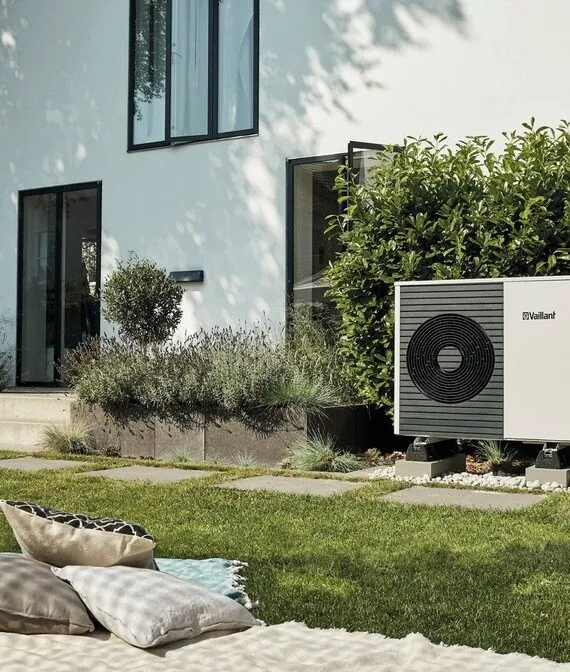
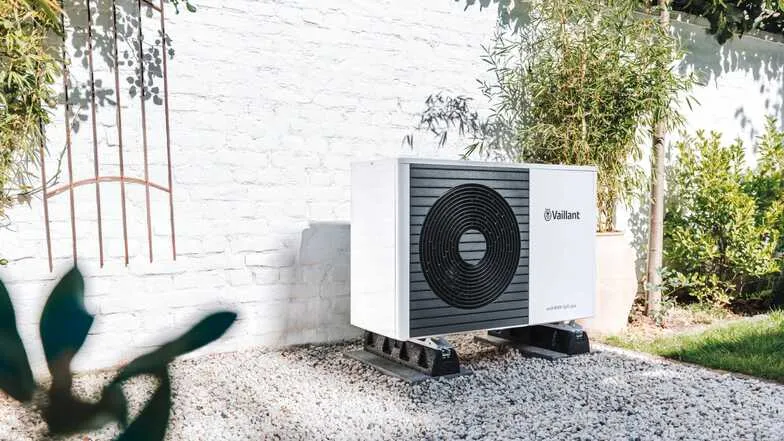
Much as it’s important to consider the condition of your appliances and how you use them, the lion’s share of home energy use is, without doubt, heating and hot water. At 80% of your electricity, renewable energy has to be a consideration if you’re keen to reduce your long-term costs, consumption and carbon footprint. Air-source heat pumps can be installed with relative ease nowadays and will save you money for decades to come.
Whether we do it now or later, renewable energy IS the future, and we will all be reliant on that alone by the time the children of today have their own children. Even if you’re not in a position to consider renewable energy solutions right now, it’s well worth looking at installing more insulation and making sure your current system is operating fully to maximise benefits.
If you’re keen to discuss the wide range of renewable technologies available for all types of homes and businesses, we’d love to chat through them with you.
Give us a call today on 01252 338 078, and we’ll take you through the options