There’s no doubt that we all want a well-heated home when the weather starts to get chilly, and in the UK at least, a boiler is one of the best ways of achieving that. But boiler and heating cover doesn’t come cheap, and a broken boiler spells disaster for the homeowner both in terms of cost and inconvenience. Although boiler maintenance will really help your boiler to last as long as possible, at some point, the broken boiler repair cycle will evolve into boiler replacement. In this blog, we take a look at signs that your boiler is in trouble, with the aim of fixing the boiler rather than having to pay for a new one.
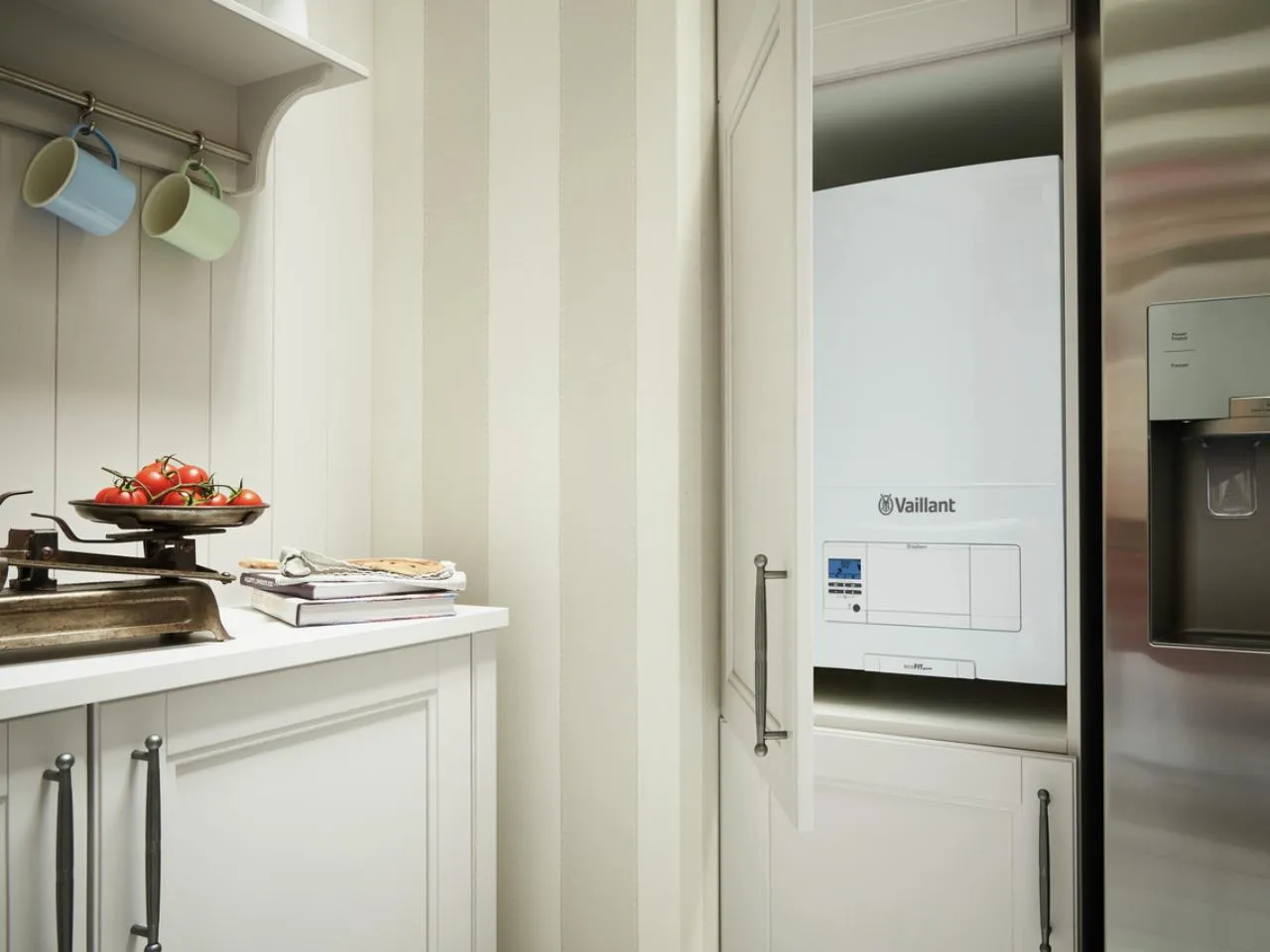
Up until recently, a good central heating system basically consisted of a traditional gas boiler, which is linked up to a separate hot water cylinder, or a combi boiler, where a single space-saving unit supplies hot water and heating in one. Combi boilers account for around 50% of the UK’s home heating systems.
When dealing with a boiler, you need to factor in its age, since the average boiler lasts 15 years or less. A good boiler cover will help with ongoing repairs to a point, but eventually, you can expect to need a replacement boiler. But what point is that exactly?
To fix a broken boiler is always economical, or is it? A new boiler and installation not only means the difference between throwing good money after bad, but can even end up saving your life!
Choosing to ignore a malfunctioning boiler is potentially fatal thanks to the very real dangers of carbon monoxide poisoning or explosion. Regular boiler and heating service checks are a great way to improve the longevity of your boiler.
In addition, a boiler that’s not working properly is not just inefficient and can end up costing more; it’s not environmentally sound either. For those of us who are concerned about the climate crisis and wish to live a greener lifestyle, correcting or replacing a faulty boiler should be a priority.
Take a look at this list of common boiler problems and see if you can diagnose any potential problems. Always refer to a professional boiler installer rather than trying to fix the boiler yourself.
Boiler Leaking Water
Boilers can crack as they’re constantly heating and cooling down, and this expansion and contraction puts them under great pressure. A crack or even a small split can lead to disaster, and even a few spots of water indicate that there’s something wrong.
A leaking boiler is one of the most common issues faced by homeowners, and if you find a boiler leak, then you should take immediate action.
Obvious signs to identify when you’ve got a boiler leaking water include dark-coloured stains on your boiler or in the surrounding area. The location of the stains should give you an idea about where the leak is coming from. For instance, if you notice my boiler is leaking water from the bottom, you’re likely to see discolouration on the floor surrounding the boiler.
As well as stains, you might notice physical signs of the boiler dripping water – this can sometimes be down to your boiler leaking water from the overflow pipe. Sometimes excess condensation can be mistaken for a leak—although when it comes down to it, water, where it’s not supposed to be, is still undesirable.
Bear in mind that even if it is a fixable issue, such as the boiler pipe leaking, the exposure to water and damp can lead to other issues. Rust, corrosion and water damage to the surrounding areas can cause unwanted damp smells, inefficiency of the boiler and discolouration of walls.
If you find signs that you have water leaking from the boiler, then have a professional visit your home immediately.
Although leaks can be repaired by replacing faulty or damaged parts, sometimes investing in a new boiler makes better sense to avoid ongoing repair costs that are simply delaying replacement.
Boiler Pressure Too High
The balance of water and air inside your boiler dictates boiler pressure, which helps to pump hot water throughout the home into radiators, underfloor heating and the water tank. This boiler pressure should be equally balanced throughout the internal pipes and components of your boiler for your boiler to work efficiently and at its optimum.
When boiler pressure is too high, the entire system is put under strain, which can lead to cracks in the pipes and leaks from the bottom of the boiler.
Boiler Not Heating Water
There are few things more frustrating than going for a shower only to find inadequate amounts of hot water.
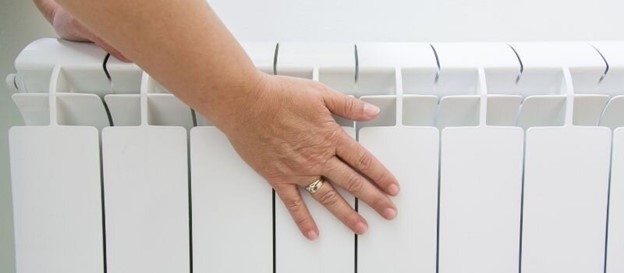
If you can only get lukewarm water out of the taps, it’s a sign that something is going wrong with your boiler and heating system. Equally, if you notice your home seems to be colder, even though the heating is on, it’s likely your boiler needs attention.
Usual causes for this can include
Broken boiler parts
Low pressure
Circulation system issue
Frozen condensate pipes
Frozen pipes are a relatively common issue, especially when temperatures plummet overnight. When the pipes freeze, the water fills up the boiler, and this causes it to shut down or simply stop heating up properly. A heat wrap or extra insulation may solve this issue, but it’s not a long-term solution.
Boiler Pressure Too Low
Faults can also manifest as a problem with one heating system and not the other. For instance, you might be able to get hot water, but no heating for your house, or vice versa.
Low boiler pressure or a faulty thermostat often causes this. If you’re struggling with temperatures in your home heating, a good rule of thumb is to check your pilot light. If it’s orange or yellow, this is an immediate concern, so please call for help.
Thermostat And Boiler Not Communicating
When the boiler does not respond to the thermostat, it might mean you’ve got a faulty thermostat! Equally, if you find that the boiler is switching on and off at random, it could indicate the timer is malfunctioning.
Utility Bills Rising
It can be infuriating to receive gas bills that seem to get higher with every passing month, especially when you know you haven’t used more energy than usual.
One of the first things to check when your expenses are rising is the state of your boiler. Old boilers become less and less efficient as time goes by, which results in more and more energy and fuel being used. This pushes up your energy bills and is bad for the environment, too.
The more energy your boiler uses, the more strain it puts on the environment. If your utility bills start rising, the most ecologically friendly action is to check your boiler, repair it or replace it with a biomass alternative.
From 2018, the UK implemented new standards in the Boiler Plus policy. This applies to all new boilers and aims to reduce the impact on the environment while still allowing for optimal heating in homes.
Energy efficiency measures outlined in the policy aim to keep utility bills down, as they regulate the use of boilers and the need for timers and other energy-saving measures. However, older boilers won’t necessarily have these energy efficiency measures in place, and are more prone to malfunctioning too.
Carbon Monoxide Poisoning Symptoms
Carbon monoxide leaks are extremely difficult to detect because the gas has no smell or taste. However, sometimes you may notice a vaguely off odour from your boiler, and it’s essential that you don’t ignore this. This odour isn’t carbon monoxide. It’s caused by other fumes produced by burning or heating in a malfunctioning system.
Sometimes, even dust and pet hair may heat up if trapped in the ventilation system, which causes an unpleasant smell, which is another red flag to watch out for. All of this is potentially the precursor to a carbon monoxide leak.
Other indications of a carbon monoxide leak are the pilot light changing colour from blue to yellow, condensation in the room or on the windows where your boiler is installed, or brownish yellow stains.
A sudden appearance of certain symptoms in you or members of your household can signal that your boiler is not combusting its fuel properly due to a lack of oxygen. This results in the release of carbon monoxide—sometimes inside your house.
For many boiler owners, the first signs of carbon monoxide leakages are physical. Headaches, dizziness, breathlessness, nausea and fainting are all signs to watch.
If you’re noticing any of these symptoms appear and disappear as you spend time in and out of your house, then it’s imperative to get your boiler checked as soon as possible.
Carbon monoxide poisoning is potentially fatal, and there have been instances of death caused by faulty boilers. Damaged flues, clogged ventilation, corrosion and general degradation of a boiler may lead to a leak, and physical symptoms are often the only indication that there’s an issue.
Boiler Making Strange Noises? Causes & Fixes
Hearing odd noises from any mechanism can be alarming, whether it’s from your car or when you open a tap at home. When your boiler has problems, such as faulty pumps, low pressure, or air in the system, it can cause strange noises. Banging, rumbling, whistling, knocking, and gurgling are all sounds to watch out for.
The term “kettling” refers to an issue with water flow and heating. When water is being pumped slower than usual, it can heat faster and reach the boiling point—100 degrees Celsius—when it’s only meant to heat to 70 degrees. The steam that’s produced causes air to become trapped, which can cause whistling or banging. Essentially, if your boiler sounds like a boiling kettle, you have a problem.
A build-up of limescale on the heat exchanger is a common cause of kettling in the UK. London’s water is hard, and the minerals in hard water lead to limescale forming quite quickly. The scale forms in layers and inhibits the movement of water, blocking the flow and causing water to boil.
In older houses or buildings, sludge can be the root cause of strange noises emitting from a boiler. Sludge forms when pipes rust and oxidise, and the iron oxide mixes with water. The sludge is thick and gooey and can easily restrict the water flow, leading to knocking or banging noises. Water struggles to make its way through the thicker substance, and pressure builds up in the boiler and pipes. This pressure may cause pipes to knock, making the same sound as when air is trapped in them.
What To Do When My Boiler Is Broken
If you’ve noticed any of the problems above, your first port of call is to contact a Gas Safe engineer and book a visit. They will be able to establish if the problem is fixable or if your boiler needs replacing.
The average lifespan for a boiler is around 10-15 years, but less if you fail to perform regular maintenance checks. The fact is, boilers are put under huge mechanical strain on an ongoing basis, especially in colder weather, so even the highest-rated boiler will eventually break down.
While many faults are repairable, it’s likely that issues will show up more and more as time passes. Older boilers are also less energy-efficient and can cause more environmental damage. Each time you pay for a qualified plumber to visit your home and repair, you’re forking out money that could be better spent on a new and efficient boiler.
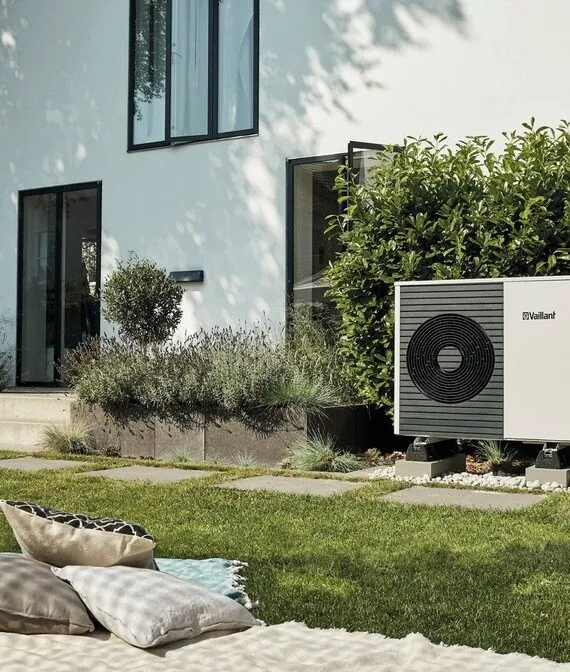
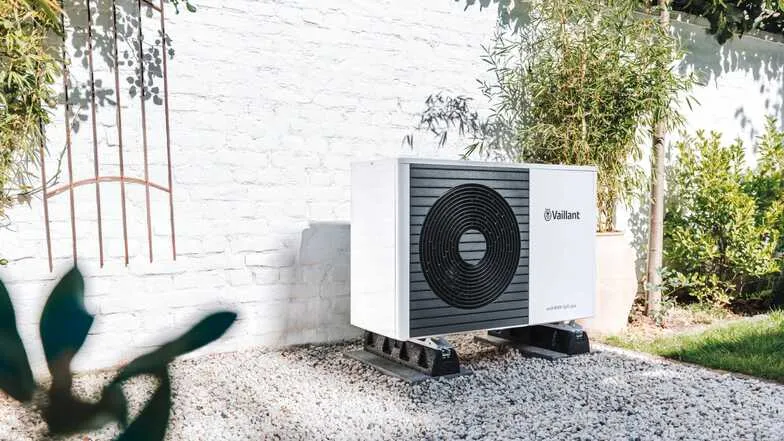
But before installing a new combi boiler, have you considered an Air Source Heat Pump for your home heating solution?
carbon, heat, leak, water, valve, radiator, boiler, carbon monoxide, condensing boiler, water heating, noise, flame, pressure, monoxide, thermostat, fuel, cost, heat pump, heating system, pump, temperature, heat exchanger, corrosion, gas leak, expense, gas safe register, efficiency, tank, engineer, carbon monoxide detector, central heating, air source heat pump, combustion, greenhouse gas emissions, warranty, boiler installation, free boiler, boiler grant, boiler upgrade, broken boiler, replacement boiler, boiler replacement, water leak, water damage, pilot light, email, shower, electricity, wear and tear, pipe, life expectancy, carbon footprint, bathroom, energy saving trust, manufacturing, risk, water supply, wear, smart meter, storage tank, energy, environmentally friendly, gas, solar power, maintenance, consumption, landlord, home appliance, condensation, tap, wall, water tank, renewable energy, limescale, energy company obligation, budget, price, sustainability, thermocouple, condenser, troubleshooting, printed circuit board, relief valve, sludge, efficient energy use, flue, hot water bottle, power outage, timer, airlock, reset, ignition system, oxygen, button, sensor, freezing, failure, bleeding, plumber, steam, ventilation, when to replace your boiler
Frequently Asked Questions
What are the signs that I need to replace my boiler?
The signs that indicate you need to replace your boiler include frequent breakdowns, unusual noises, leaks, rising energy bills, and an age of over 15 years. Addressing these issues promptly can enhance safety and efficiency in your home.
What are the common indicators of a failing boiler system?
Common indicators of a failing boiler system include unusual noises, leaks, fluctuating pressure, and insufficient heating. These signs often suggest inefficiencies that could lead to safety hazards, making prompt attention crucial.
Are frequent breakdowns a sign of a boiler in need of replacement?
Frequent breakdowns are a clear indication that a boiler may need replacing. If your boiler consistently malfunctions, it likely reflects underlying issues that could compromise efficiency and safety, warranting a professional assessment for potential replacement.
What are the warning signs of a boiler on the brink of failure?
The warning signs of a boiler on the brink of failure include unusual noises, water leaks, fluctuating pressure, and inadequate heating. Addressing these issues promptly can prevent safety hazards and ensure efficient operation.
When should I replace my boiler with a new efficient model?
The ideal time to replace your boiler with a new efficient model is when it shows signs of frequent breakdowns, leaks, or inefficiency, especially if it’s over 10-15 years old. Upgrading can enhance safety and reduce energy costs.
What unusual noises indicate boiler issues?
Unusual noises indicating boiler issues include banging, whistling, or gurgling sounds. These noises often suggest problems such as air in the system, sediment buildup, or failing components, which should be addressed promptly to ensure safety and efficiency.
How can I identify a leaking boiler?
Identifying a leaking boiler involves looking for visible water pooling around the unit, damp patches on walls or floors, and checking for any unusual noises or pressure drops. Regularly inspect your boiler for these signs to ensure safety and efficiency.
What pressure levels suggest boiler problems?
Pressure levels indicating boiler problems typically fall below 1 bar or above 2.5 bars. If your boiler's pressure gauge shows these levels, it's essential to investigate further, as it may signal underlying issues that require attention.
How do I check my boilers efficiency?
To check your boiler's efficiency, examine its annual fuel utilisation efficiency (AFUE) rating, monitor your energy bills for unusual spikes, and assess the boiler’s performance during operation, noting any irregular noises or temperature fluctuations.
What are the signs of a faulty thermostat?
The signs of a faulty thermostat include inconsistent temperatures, the heating system not turning on or off, and unusual noises from the thermostat. If you notice these issues, it may be time to inspect or replace the thermostat.
How can I tell if my boiler is safe?
The safety of your boiler can be determined by checking for signs such as unusual noises, leaks, or a yellow flame instead of blue. Additionally, ensure regular maintenance and look for warning indicators like the pressure gauge reading and the presence of carbon monoxide detectors.
What maintenance prevents boiler replacement?
Regular maintenance, including annual servicing, timely repairs of leaks, and ensuring proper pressure levels, can significantly extend your boiler's lifespan and prevent the need for replacement.
How often should I inspect my boiler?
The frequency of boiler inspections is crucial for ensuring safety and efficiency. It is recommended to inspect your boiler at least once a year to identify potential issues and maintain optimal performance.
What are the risks of an old boiler?
The risks of an old boiler include increased chances of breakdowns, inefficiencies leading to higher energy bills, and potential safety hazards such as gas leaks or carbon monoxide poisoning. Regular maintenance is essential to mitigate these dangers.
How do I recognise a failing boiler system?
Recognising a failing boiler system involves noting signs such as unusual noises, leaking water, fluctuating pressure, and reduced heating efficiency. If you experience these issues, it’s crucial to consult a professional for assessment and potential replacement.
What energy bills indicate boiler inefficiency?
Energy bills that indicate boiler inefficiency typically show a significant increase in costs compared to previous months, especially during colder seasons. Unusually high usage without a corresponding increase in heating demand can signal that your boiler is not operating effectively.
How can I troubleshoot common boiler problems?
Troubleshooting common boiler problems involves checking for issues such as leaks, unusual noises, or low pressure. Start by inspecting the pressure gauge and ensuring the thermostat is set correctly; if problems persist, consult a professional for further diagnosis.
What should I do if my boiler fails?
If your boiler fails, you should first turn off the power and gas supply to prevent further issues. Then, contact a qualified heating engineer to diagnose the problem and discuss repair or replacement options.
How can I extend my boilers lifespan?
To extend your boiler's lifespan, regular maintenance is essential. Schedule annual servicing, promptly address any issues, and ensure proper usage to enhance efficiency and prevent costly breakdowns.
What factors affect boiler replacement timing?
The factors affecting boiler replacement timing include the age of the boiler, frequency of repairs, energy efficiency, and any signs of leaks or pressure issues. Regular maintenance also plays a crucial role in determining when replacement is necessary.
How do I know if my boiler is outdated?
The signs that indicate your boiler may be outdated include frequent breakdowns, rising energy bills, and inconsistent heating. If your boiler is over 15 years old, it’s likely time to consider a replacement for improved efficiency and safety.
What are the signs of carbon monoxide leaks?
The signs of carbon monoxide leaks include symptoms such as headaches, dizziness, weakness, nausea, and confusion. Additionally, you may notice a yellow or orange flame in your boiler instead of a blue one, or an unusual increase in condensation around windows.
How can I improve my boilers performance?
Improving your boiler's performance involves regular maintenance, such as annual servicing, checking for leaks, and ensuring proper pressure levels. Additionally, bleeding radiators and cleaning filters can enhance efficiency and prolong the lifespan of your boiler.
What common repairs can prolong boiler life?
Common repairs that can prolong boiler life include fixing leaks, replacing faulty thermostats, and addressing pressure issues. Regular maintenance and timely repairs ensure optimal performance and safety, ultimately extending the lifespan of your boiler.
How do I assess my boilers condition?
Assessing your boiler's condition involves checking for signs of leaks, unusual noises, and fluctuating pressure. Regular maintenance and professional inspections are essential to ensure safety and efficiency, helping you identify potential issues before they escalate.
What are the benefits of upgrading my boiler?
The benefits of upgrading your boiler include improved energy efficiency, reduced heating costs, enhanced safety features, and increased reliability. A modern boiler can also provide better heating performance and lower carbon emissions, contributing to a more sustainable home.
How can I prevent frequent boiler breakdowns?
Preventing frequent boiler breakdowns involves regular maintenance, such as annual servicing, checking for leaks, and monitoring pressure levels. Additionally, addressing any unusual noises or performance issues promptly can significantly enhance your boiler's reliability.
What indicators suggest a boiler needs servicing?
Indicators that suggest a boiler needs servicing include unusual noises, leaks, fluctuating pressure, and reduced heating efficiency. Regular maintenance is essential to ensure safety and optimal performance.
How do I choose a new boiler model?
Choosing a new boiler model involves assessing your home’s heating needs, considering energy efficiency ratings, and evaluating your budget. It's essential to consult a heating professional to ensure the model fits your requirements and complies with safety standards.
What are the signs of a boiler emergency?
The signs of a boiler emergency include unusual noises, leaks, discoloured water, fluctuating pressure, and the presence of a strange smell, particularly gas. If you notice any of these issues, it's crucial to seek professional help immediately.
when to replace your boiler, Broken boiler, New boiler installation, When to replace a boiler, Signs you need a new boiler, Boiler replacement UK, Cost of new boiler installation, Emergency boiler replacement, Local boiler installers, Gas boiler installation, Combi boiler replacement, Boiler efficiency problems, Old boiler replacement, Boiler repair or replace, Best new boilers UK, Boiler installation near me, Affordable boiler installation, Central heating boiler replacement, Boiler breakdown solutions, Boiler not working, Boiler life expectancy UK, Upgrade to a new boiler, Neater Heat boiler installation, Professional boiler installers, Gas Safe boiler installation, Energy efficient boiler replacement, Boiler installation company Hampshire, Replace old gas boiler, New condensing boiler installation, Boiler installation cost UK, Heating engineer boiler replacement, Is it worth repairing an old boiler, boiler replacement pilling, broken boilers, signs you need to replace your boiler, boiler is broken
Signs of an Inefficient Boiler
An inefficient boiler can lead to increased energy costs and insufficient heating. Common signs include fluctuating temperatures, longer heating times, and noticeable drafts in your home. If your boiler is struggling to maintain a consistent temperature, it may indicate underlying issues that require immediate attention.
For example, a boiler that takes longer to heat water or consistently runs longer than usual could be losing efficiency due to age, wear, or internal buildup. Regular maintenance, such as descaling and cleaning, can help restore efficiency, but if problems persist, it may be time to consider a replacement.
Age of the Boiler: When to Consider Replacement
The age of your boiler is a critical factor in determining when to replace it. Most boilers have a lifespan of about 10 to 15 years, and as they age, their efficiency typically declines. If your boiler is approaching or exceeding this age range, it's essential to evaluate its performance and reliability.
For instance, a boiler older than 15 years may not only be less efficient but could also pose safety risks, such as increased chances of breakdowns or carbon monoxide leaks. Investing in a new, energy-efficient model can significantly reduce your heating bills and enhance safety in your home.
Understanding Boiler Warranty and Coverage
Understanding your boiler's warranty and coverage options is crucial for homeowners. Most new boilers come with a warranty ranging from 2 to 10 years, which can cover parts and labour for repairs. Knowing the specifics of your warranty can help you make informed decisions about repairs versus replacement.
For example, if your boiler is still under warranty, certain repairs may be covered at no additional cost. However, if your boiler is out of warranty and frequently breaking down, it may be more cost-effective to invest in a new unit rather than continuing to pay for repairs.
Choosing the Right Boiler Replacement
Selecting the right replacement boiler involves considering various factors, including your home's size, heating needs, and energy efficiency preferences. It's essential to consult with a heating professional to assess your requirements and recommend suitable models that fit your budget.
For instance, modern condensing boilers are highly efficient and can significantly lower energy bills compared to older models. Additionally, exploring options like combi boilers or system boilers can help you find the best fit for your household's hot water and heating demands.
carbon, heat, leak, water, valve, radiator, boiler, carbon monoxide, condensing boiler, water heating, noise, flame, pressure, monoxide, thermostat, fuel, cost, heat pump, heating system, pump, temperature, heat exchanger, corrosion, gas leak, expense, gas safe register, efficiency, tank, engineer, carbon monoxide detector, central heating, air source heat pump, combustion, greenhouse gas emissions, warranty, boiler installation, free boiler, boiler grant, boiler upgrade, broken boiler, replacement boiler, boiler replacement, water leak, water damage, pilot light, email, shower, electricity, wear and tear, pipe, life expectancy, carbon footprint, bathroom, energy saving trust, manufacturing, risk, water supply, wear, smart meter, storage tank, energy, environmentally friendly, gas, solar power, maintenance, consumption, landlord, home appliance, condensation, tap, wall, water tank, renewable energy, limescale, energy company obligation, budget, price, sustainability, thermocouple, condenser, troubleshooting, printed circuit board, relief valve, sludge, efficient energy use, flue, hot water bottle, power outage, timer, airlock, reset, ignition system, oxygen, button, sensor, freezing, failure, bleeding, plumber, steam, ventilation, when to replace your boiler
Frequently Asked Questions
What are the signs that I need to replace my boiler?
The signs that indicate you need to replace your boiler include frequent breakdowns, unusual noises, leaks, rising energy bills, and an age of over 15 years. Addressing these issues promptly can enhance safety and efficiency in your home.
What are the common indicators of a failing boiler system?
Common indicators of a failing boiler system include unusual noises, leaks, fluctuating pressure, and insufficient heating. These signs often suggest inefficiencies that could lead to safety hazards, making prompt attention crucial.
Are frequent breakdowns a sign of a boiler in need of replacement?
Frequent breakdowns are a clear indication that a boiler may need replacing. If your boiler consistently malfunctions, it likely reflects underlying issues that could compromise efficiency and safety, warranting a professional assessment for potential replacement.
What are the warning signs of a boiler on the brink of failure?
The warning signs of a boiler on the brink of failure include unusual noises, water leaks, fluctuating pressure, and inadequate heating. Addressing these issues promptly can prevent safety hazards and ensure efficient operation.
When should I replace my boiler with a new efficient model?
The ideal time to replace your boiler with a new efficient model is when it shows signs of frequent breakdowns, leaks, or inefficiency, especially if it’s over 10-15 years old. Upgrading can enhance safety and reduce energy costs.
What unusual noises indicate boiler issues?
Unusual noises indicating boiler issues include banging, whistling, or gurgling sounds. These noises often suggest problems such as air in the system, sediment buildup, or failing components, which should be addressed promptly to ensure safety and efficiency.
How can I identify a leaking boiler?
Identifying a leaking boiler involves looking for visible water pooling around the unit, damp patches on walls or floors, and checking for any unusual noises or pressure drops. Regularly inspect your boiler for these signs to ensure safety and efficiency.
What pressure levels suggest boiler problems?
Pressure levels indicating boiler problems typically fall below 1 bar or above 2.5 bars. If your boiler's pressure gauge shows these levels, it's essential to investigate further, as it may signal underlying issues that require attention.
How do I check my boilers efficiency?
To check your boiler's efficiency, examine its annual fuel utilisation efficiency (AFUE) rating, monitor your energy bills for unusual spikes, and assess the boiler’s performance during operation, noting any irregular noises or temperature fluctuations.
What are the signs of a faulty thermostat?
The signs of a faulty thermostat include inconsistent temperatures, the heating system not turning on or off, and unusual noises from the thermostat. If you notice these issues, it may be time to inspect or replace the thermostat.
How can I tell if my boiler is safe?
The safety of your boiler can be determined by checking for signs such as unusual noises, leaks, or a yellow flame instead of blue. Additionally, ensure regular maintenance and look for warning indicators like the pressure gauge reading and the presence of carbon monoxide detectors.
What maintenance prevents boiler replacement?
Regular maintenance, including annual servicing, timely repairs of leaks, and ensuring proper pressure levels, can significantly extend your boiler's lifespan and prevent the need for replacement.
How often should I inspect my boiler?
The frequency of boiler inspections is crucial for ensuring safety and efficiency. It is recommended to inspect your boiler at least once a year to identify potential issues and maintain optimal performance.
What are the risks of an old boiler?
The risks of an old boiler include increased chances of breakdowns, inefficiencies leading to higher energy bills, and potential safety hazards such as gas leaks or carbon monoxide poisoning. Regular maintenance is essential to mitigate these dangers.
How do I recognise a failing boiler system?
Recognising a failing boiler system involves noting signs such as unusual noises, leaking water, fluctuating pressure, and reduced heating efficiency. If you experience these issues, it’s crucial to consult a professional for assessment and potential replacement.
What energy bills indicate boiler inefficiency?
Energy bills that indicate boiler inefficiency typically show a significant increase in costs compared to previous months, especially during colder seasons. Unusually high usage without a corresponding increase in heating demand can signal that your boiler is not operating effectively.
How can I troubleshoot common boiler problems?
Troubleshooting common boiler problems involves checking for issues such as leaks, unusual noises, or low pressure. Start by inspecting the pressure gauge and ensuring the thermostat is set correctly; if problems persist, consult a professional for further diagnosis.
What should I do if my boiler fails?
If your boiler fails, you should first turn off the power and gas supply to prevent further issues. Then, contact a qualified heating engineer to diagnose the problem and discuss repair or replacement options.
How can I extend my boilers lifespan?
To extend your boiler's lifespan, regular maintenance is essential. Schedule annual servicing, promptly address any issues, and ensure proper usage to enhance efficiency and prevent costly breakdowns.
What factors affect boiler replacement timing?
The factors affecting boiler replacement timing include the age of the boiler, frequency of repairs, energy efficiency, and any signs of leaks or pressure issues. Regular maintenance also plays a crucial role in determining when replacement is necessary.
How do I know if my boiler is outdated?
The signs that indicate your boiler may be outdated include frequent breakdowns, rising energy bills, and inconsistent heating. If your boiler is over 15 years old, it’s likely time to consider a replacement for improved efficiency and safety.
What are the signs of carbon monoxide leaks?
The signs of carbon monoxide leaks include symptoms such as headaches, dizziness, weakness, nausea, and confusion. Additionally, you may notice a yellow or orange flame in your boiler instead of a blue one, or an unusual increase in condensation around windows.
How can I improve my boilers performance?
Improving your boiler's performance involves regular maintenance, such as annual servicing, checking for leaks, and ensuring proper pressure levels. Additionally, bleeding radiators and cleaning filters can enhance efficiency and prolong the lifespan of your boiler.
What common repairs can prolong boiler life?
Common repairs that can prolong boiler life include fixing leaks, replacing faulty thermostats, and addressing pressure issues. Regular maintenance and timely repairs ensure optimal performance and safety, ultimately extending the lifespan of your boiler.
How do I assess my boilers condition?
Assessing your boiler's condition involves checking for signs of leaks, unusual noises, and fluctuating pressure. Regular maintenance and professional inspections are essential to ensure safety and efficiency, helping you identify potential issues before they escalate.
What are the benefits of upgrading my boiler?
The benefits of upgrading your boiler include improved energy efficiency, reduced heating costs, enhanced safety features, and increased reliability. A modern boiler can also provide better heating performance and lower carbon emissions, contributing to a more sustainable home.
How can I prevent frequent boiler breakdowns?
Preventing frequent boiler breakdowns involves regular maintenance, such as annual servicing, checking for leaks, and monitoring pressure levels. Additionally, addressing any unusual noises or performance issues promptly can significantly enhance your boiler's reliability.
What indicators suggest a boiler needs servicing?
Indicators that suggest a boiler needs servicing include unusual noises, leaks, fluctuating pressure, and reduced heating efficiency. Regular maintenance is essential to ensure safety and optimal performance.
How do I choose a new boiler model?
Choosing a new boiler model involves assessing your home’s heating needs, considering energy efficiency ratings, and evaluating your budget. It's essential to consult a heating professional to ensure the model fits your requirements and complies with safety standards.
What are the signs of a boiler emergency?
The signs of a boiler emergency include unusual noises, leaks, discoloured water, fluctuating pressure, and the presence of a strange smell, particularly gas. If you notice any of these issues, it's crucial to seek professional help immediately.
when to replace your boiler, Broken boiler, New boiler installation, When to replace a boiler, Signs you need a new boiler, Boiler replacement UK, Cost of new boiler installation, Emergency boiler replacement, Local boiler installers, Gas boiler installation, Combi boiler replacement, Boiler efficiency problems, Old boiler replacement, Boiler repair or replace, Best new boilers UK, Boiler installation near me, Affordable boiler installation, Central heating boiler replacement, Boiler breakdown solutions, Boiler not working, Boiler life expectancy UK, Upgrade to a new boiler, Neater Heat boiler installation, Professional boiler installers, Gas Safe boiler installation, Energy efficient boiler replacement, Boiler installation company Hampshire, Replace old gas boiler, New condensing boiler installation, Boiler installation cost UK, Heating engineer boiler replacement, Is it worth repairing an old boiler, boiler replacement pilling, broken boilers, signs you need to replace your boiler, boiler is broken
Signs of an Inefficient Boiler
An inefficient boiler can lead to increased energy costs and insufficient heating. Common signs include fluctuating temperatures, longer heating times, and noticeable drafts in your home. If your boiler is struggling to maintain a consistent temperature, it may indicate underlying issues that require immediate attention.
For example, a boiler that takes longer to heat water or consistently runs longer than usual could be losing efficiency due to age, wear, or internal buildup. Regular maintenance, such as descaling and cleaning, can help restore efficiency, but if problems persist, it may be time to consider a replacement.
Age of the Boiler: When to Consider Replacement
The age of your boiler is a critical factor in determining when to replace it. Most boilers have a lifespan of about 10 to 15 years, and as they age, their efficiency typically declines. If your boiler is approaching or exceeding this age range, it's essential to evaluate its performance and reliability.
For instance, a boiler older than 15 years may not only be less efficient but could also pose safety risks, such as increased chances of breakdowns or carbon monoxide leaks. Investing in a new, energy-efficient model can significantly reduce your heating bills and enhance safety in your home.
Understanding Boiler Warranty and Coverage
Understanding your boiler's warranty and coverage options is crucial for homeowners. Most new boilers come with a warranty ranging from 2 to 10 years, which can cover parts and labour for repairs. Knowing the specifics of your warranty can help you make informed decisions about repairs versus replacement.
For example, if your boiler is still under warranty, certain repairs may be covered at no additional cost. However, if your boiler is out of warranty and frequently breaking down, it may be more cost-effective to invest in a new unit rather than continuing to pay for repairs.
Choosing the Right Boiler Replacement
Selecting the right replacement boiler involves considering various factors, including your home's size, heating needs, and energy efficiency preferences. It's essential to consult with a heating professional to assess your requirements and recommend suitable models that fit your budget.
For instance, modern condensing boilers are highly efficient and can significantly lower energy bills compared to older models. Additionally, exploring options like combi boilers or system boilers can help you find the best fit for your household's hot water and heating demands.