
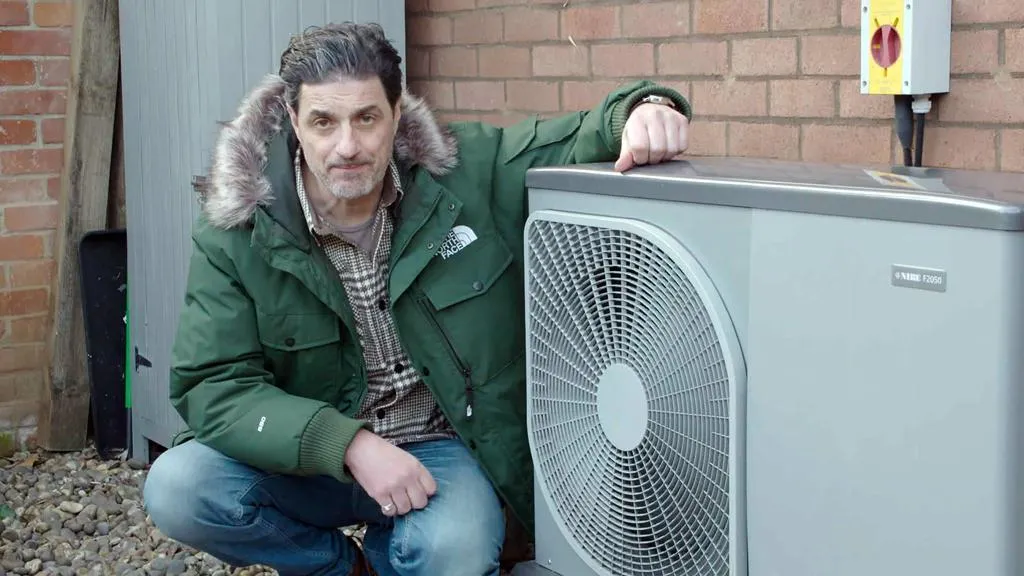
By Lee Tilbury, Neater Heat Ltd
As climate change concerns intensify, many homeowners in the UK are exploring alternatives to traditional gas-powered heating systems. Among these, heat pumps have emerged as a notable option, often touted for their efficiency and lower carbon footprint. This article seeks to dissect the effectiveness, cost, and overall value of heat pumps compared to conventional gas boilers, helping readers make informed decisions about their heating investments. By understanding the financial implications and energy savings associated with heat pumps, consumers can decide if these systems are worth the upfront costs. We will explore key topics including their efficiency, potential savings, and installation process.
Effectiveness
Heat pumps are designed to transfer heat from the ground or air to heat your home, achieving impressive efficiency ratings of 300-400%. This means that for every unit of electricity consumed, heat pumps can generate three to four units of heat energy, making them exceptionally efficient even in colder climates. Their ability to provide reliable heat even during the winter months makes them a robust alternative to gas boilers. Over time, homeowners can expect substantial long-term savings on energy bills resulting from this efficiency.
How Do Installation Costs Compare Between Heat Pumps and Gas Boilers?
When analysing installation costs, heat pumps typically range between £10,000 and £20,000 before grants. In comparison, gas boilers are more affordable to install, generally costing between £2,500 and £4,000. However, the long-term savings that heat pumps can offer often justify the higher initial investment. It’s essential for homeowners to weigh these costs against the expected energy savings over the system’s lifespan.
What Government Grants Can Help With Heat Pump Installation Costs?
Government grants can significantly offset the initial costs of heat pump installation. Under the Boiler Upgrade Scheme, homeowners can receive grants of up to £7,500. Such financial assistance can make the transition to heat pumps far more manageable and appealing, underlining the role of subsidies in promoting cleaner energy solutions.
Cost-Benefit Analysis
A cost-benefit analysis of heat pumps indicates that while installation costs can be high, the expected payback period can range from 5 to 15 years, depending on energy prices and usage. Homeowners switching from traditional gas systems often find that the benefits—such as lower energy bills and potential grants—justify the initial investment. Moreover, heat pumps have greater longevity than gas boilers and often require less frequent replacement.
How Efficient Are Heat Pumps Compared to Traditional Gas Boilers?
In terms of energy efficiency, heat pumps significantly outperform traditional gas boilers. Gas boilers typically have an efficiency rating of 90-95%, meaning they lose some of the energy they receive during operation. Conversely, heat pumps can often achieve a coefficient of performance (COP) of 3-4, indicating a far superior heat output relative to energy input. This makes heat pumps a compelling choice for energy-conscious homeowners, especially when considering the rising cost of energy.
What Are the Main Benefits of Air Source Heat Pumps for Home Heating?
Air source heat pumps offer several key advantages for home heating:
- Higher Efficiency: They outperform traditional gas boilers in energy output per unit of energy consumed.
- Environmental Benefits: By utilising renewable heat sources, they help reduce the carbon footprint associated with heating.
- Financial Incentives: Government grants and incentives can help homeowners offset installation costs, making heat pumps more accessible.
Here’s how the two systems stack up side by side on the figures covered in this article:
| Factor | Heat Pump | Gas Boiler |
|---|---|---|
| Installation cost | £10,000–£20,000 before grants | £2,500–£4,000 |
| Efficiency rating | 300–400% (3–4 units of heat per unit of electricity) | 90–95% |
| Typical payback period | 5–15 years | N/A |
| Annual savings vs. older systems | £300–£600 | Baseline (no equivalent saving) |
| System lifespan | Generally longer, less frequent replacement | Shorter than heat pumps |
How Efficient Are Heat Pumps for UK Homes?
Switching to a heat pump can yield substantial savings on heating bills, with homeowners typically saving between £300 and £600 annually compared to older gas boilers. Over a 20-year period, cumulative savings can exceed £8,000, making heat pumps not only an eco-friendly choice but also a financially savvy investment for homeowners looking for long-term savings.
How Much Can You Save on Energy Bills With a Heat Pump?
Many families can expect energy bill reductions of 20-40% when transitioning from gas boilers to heat pumps. These savings are attributed to the high efficiency of heat pumps and the current trend of rising fossil fuel energy prices. This financial advantage reinforces the growing interest in heat pump technology as a modern heating solution.
Overall Value
When considering the overall value of heat pumps, several factors emerge that highlight their benefits beyond just monetary savings. First, heat pumps can enhance property values, making homes more attractive to potential buyers who prioritise energy efficiency. Second, they significantly reduce carbon footprints, aligning closely with global sustainability efforts. The environmental benefits combined with the potential for lower energy bills make heat pumps a worthy investment for many households.
Are Heat Pumps a Smart Long-Term Investment for UK Homeowners?
Investing in heat pumps not only addresses current heating needs but also supports future sustainability goals. As energy prices fluctuate and environmental regulations tighten, heat pumps stand out as a long-term solution that helps homeowners combat rising costs while supporting renewable energy initiatives. The potential ramifications for both individual residences and the wider community reinforce the practicality of this investment.
How Do Heat Pumps Contribute to Sustainable Heating Solutions?
Heat pumps represent a pivotal step towards achieving a net-zero future in home heating. By using electricity to move heat rather than generate it, these systems significantly lower greenhouse gas emissions compared to gas boilers. Their integration into residential and commercial heating frameworks supports the transition towards renewable energy sources, thereby playing a critical role in sustainable heating solutions for the future.
What Do UK Homeowners Say About Their Heat Pump Experiences?

Recent case studies indicate that many UK homeowners who have transitioned to heat pumps report high satisfaction rates. Users frequently cite advantages such as lower heating costs, ease of use, and the positive environmental impact as primary reasons for their contentment. By sharing these experiences, prospective buyers can gain valuable insight into the practical implications of adopting this technology.
What Should You Expect During a Heat Pump Installation in the UK?
The installation of a heat pump is a pivotal step in the transition to a more sustainable home heating solution. Typically, this process involves an assessment to determine the system’s suitability for the property. Once approved, the installation can take between 1 and 3 days, depending on the complexity of the setup.
How Do Certified UK Installers Ensure a Smooth Heat Pump Setup?
Certified installers play a crucial role in ensuring that heat pumps function efficiently. They conduct thorough assessments and follow best practices to guarantee proper setup. This helps avoid potential issues down the road, ensuring that homeowners can enjoy the benefits of their systems without unnecessary complications.
What Maintenance and Servicing Does a Heat Pump Require?
Regular maintenance is essential for optimal heat pump performance. Homeowners should plan for annual service checks to ensure their systems run efficiently and address any issues proactively. This routine upkeep can significantly extend the life of the heat pump system, ensuring consistent energy savings over time.
Conclusion
So, are heat pumps really worth the investment for UK homeowners? The evidence points to yes: heat pumps offer efficiency ratings of 300-400%, annual savings of £300-£600 on energy bills, and a payback period of five to fifteen years once government grants are factored in. Compared with gas boilers, they combine lower running costs, reduced carbon emissions, and longer system lifespans, making them a sound choice for anyone weighing short-term outlay against long-term value. If you’re considering the switch, Neater Heat Ltd can assess your property and talk you through the right heat pump option for your home.
Sources
This article draws on figures for heat pump efficiency, installation costs, government support, and typical homeowner savings as referenced throughout, including the Boiler Upgrade Scheme grant of up to £7,500, comparative heat pump cost data, and guidance on reducing energy bills. For a property-specific assessment of costs and savings, Neater Heat Ltd’s Gas Safe and MCS-accredited engineers can provide tailored advice.
Frequently Asked Questions
Are heat pumps really worth it in the UK?
For most homeowners, yes. Heat pumps offer efficiency ratings of 300-400%, can save £300-£600 a year on energy bills compared to older gas boilers, and typically pay back their higher upfront cost within 5 to 15 years, especially once government grants are factored in.
How much does it cost to install a heat pump compared to a gas boiler?
Heat pumps typically cost between £10,000 and £20,000 to install before grants, while gas boilers are cheaper upfront at £2,500 to £4,000. The gap narrows considerably once support, such as the Boiler Upgrade Scheme, is applied.
What grants are available to help with heat pump installation costs?
The Boiler Upgrade Scheme offers grants of up to £7,500 towards the cost of installing a heat pump, making the switch far more affordable for UK homeowners.
How much can I save on energy bills with a heat pump?
Many households see energy bill reductions of 20-40% after switching from a gas boiler to a heat pump, with typical annual savings of £300-£600, and cumulative savings that can exceed £8,000 over 20 years.
How long does a heat pump installation take?
Once a property has been assessed for suitability, installation typically takes 1 to 3 days, depending on the setup’s complexity and the property itself.


